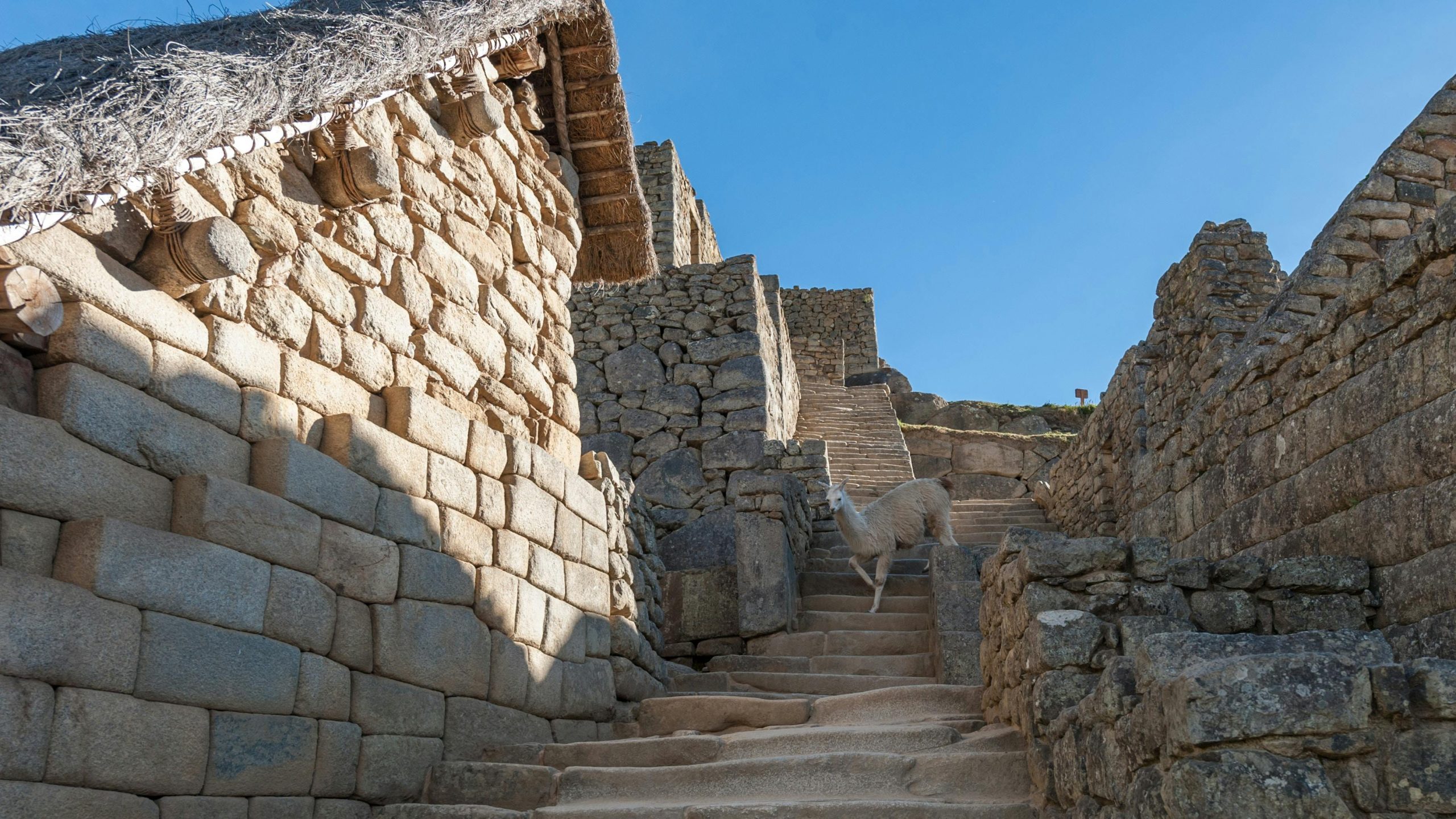
Everything About the Altitude of Machu Picchu
Are you planning to visit Machu Picchu and wondering how high this mysterious Inca city sits? The altitude of Machu Picchu (2,430 meters / 7,970 feet above sea level) is an important consideration, especially if you’re concerned about altitude sickness. In this guide, you’ll learn exactly how high Machu Picchu is, how to plan your trip accordingly, and how to prepare for this unforgettable destination and your trek along the Inca Trail.
How High Is Machu Picchu?
The ancient Inca city of Machu Picchu is located at 2,430 meters (7,970 feet) above sea level, perched on a ridge in the Peruvian Andes. It sits between Huayna Picchu (2,720 m / 8,920 ft) and Machu Picchu Mountain (3,082 m / 10,115 ft). This unique location between mountains and cloud forest offers breathtaking views and a mild climate.
Although this altitude may sound impressive, Machu Picchu is actually lower than other popular destinations in Peru, such as Cusco or Lake Titicaca:
- Machu Picchu – 2,430 m / 7,970 ft
- Huayna Picchu – 2,720 m / 8,920 ft
- Machu Picchu Mountain – 3,082 m / 10,115 ft
- Highest point on the Inca Trail – 4,200 m / 13,780 ft (Dead Woman’s Pass)
- Aguas Calientes – 2,040 m / 6,690 ft
- Cusco – 3,400 m / 11,155 ft
- Lake Titicaca – 3,812 m / 12,507 ft
At altitudes above 2,000 meters, the air contains less oxygen, and your body needs time to adjust—especially if you plan to exert yourself physically. We recommend arriving in Cusco at least 2 days before starting your trek to acclimatize properly.
Acclimatizing in Cusco
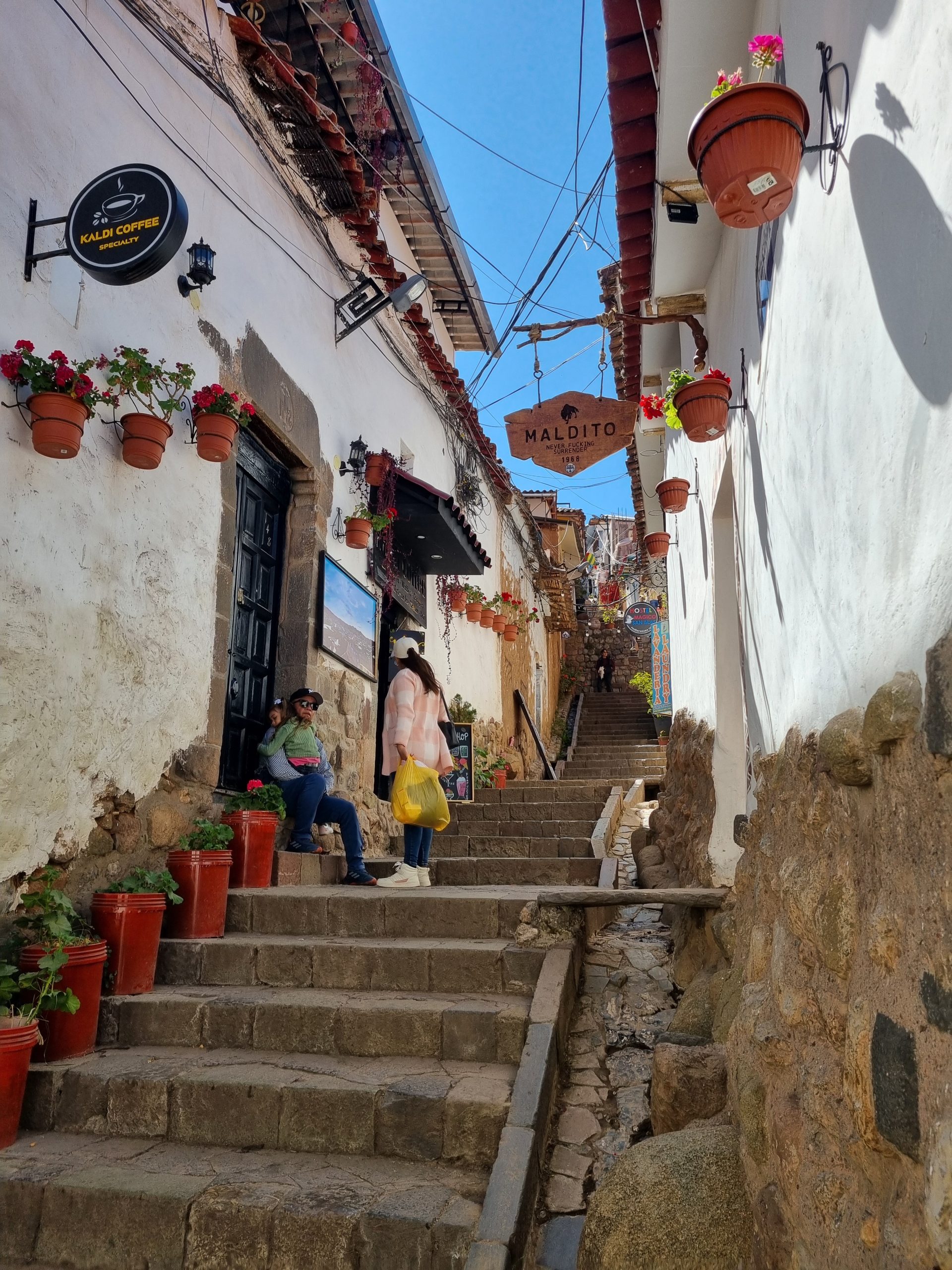
Cusco is at a higher altitude than Machu Picchu, making it the perfect place to acclimatize. Upon arrival, you may already feel some fatigue. Generally, 2–3 days is enough to adjust. Take your time strolling through the steep streets of San Blas, rest frequently, and hydrate well. If you experience a mild headache or loss of appetite, take it easy, get plenty of rest, and drink water or coca tea.
Gradual Ascent
When I first visited Machu Picchu 14 years ago, I traveled by bus from Lake Titicaca to Cusco. By the time I reached Cusco, I had already started to adjust to the altitude. The good news is: gradual travel at higher elevations helps your body adapt.
For reference:
- Lake Titicaca sits at 3,812 meters / 12,507 feet, higher than Cusco.
- A stop in Arequipa (2,335 m / 7,661 ft) is a good way to gradually acclimatize if traveling from Lima to higher-altitude destinations like Lake Titicaca or Cusco.
If you’re coming from Bolivia, be mindful of altitude changes there as well, and avoid rapid ascents to prevent altitude sickness.
Extra Tip
Read our blog: “Peru Itinerary: The Ideal Route”, which outlines the best way to gradually acclimatize to altitude while exploring Peru.
Altitude Sickness: What You Need to Know
Most travelers who fly directly from Lima to Cusco need a little time to adjust to the altitude. Luckily, for most people, the symptoms are mild and not considered full-blown altitude sickness. Common complaints include headaches, fatigue, and a reduced appetite. Studies suggest that about 25% of tourists above 2,500 meters (8,200 ft) experience some form of altitude sickness. In severe cases, people can become truly ill, with symptoms such as nausea, vomiting, and dizziness. If this happens—especially on a trek—it’s crucial to descend as quickly as possible.
Common Symptoms
- Headache
- Shortness of breath
- Nausea
- Dizziness (especially while climbing)
- Fatigue
Tips to Prevent Altitude Sickness
Nobody wants to feel unwell during their Peru adventure, but there are many ways to minimize the risk of altitude sickness. Here are the most important tips:
- Ascend gradually – don’t rush into higher altitudes.
- Acclimatize – spend a few days in Cusco (3,400 m / 11,155 ft) or the Sacred Valley (2,800 m / 9,186 ft) before starting a trek.
- Stay hydrated – drink plenty of water and avoid alcohol.
- Take it easy – listen to your body and rest when needed.
- Eat well – even if your appetite is reduced, focus on light meals.
- Coca tea or leaves – may help with mild symptoms (not scientifically proven, but harmless).
- Preventive medication – acetazolamide (Diamox) can be taken to prevent altitude sickness; some travelers bring it but don’t always need it.
It’s also a good idea to consult your local travel health clinic (GGD in the Netherlands) before your trip for advice on altitude sickness and your upcoming Machu Picchu visit.
Altitude Sickness on the Inca Trail
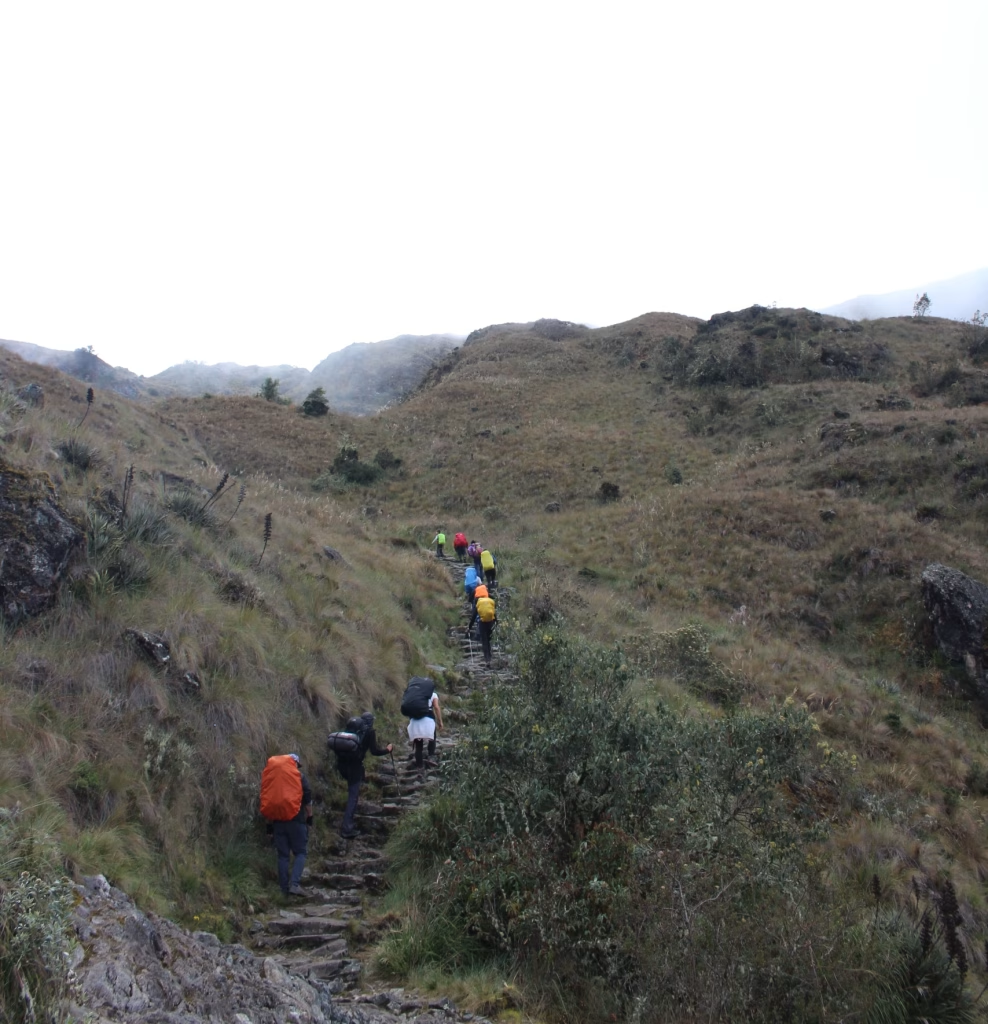
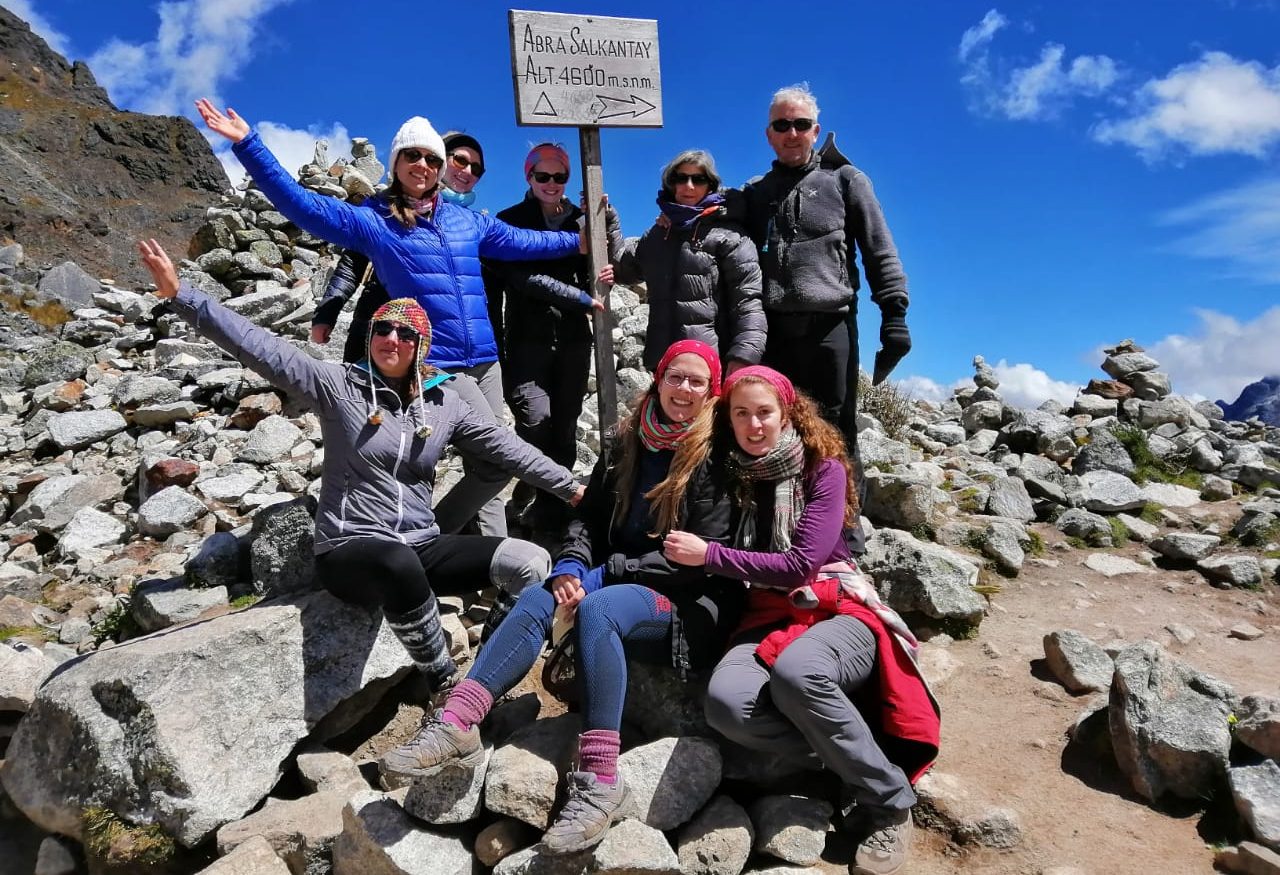
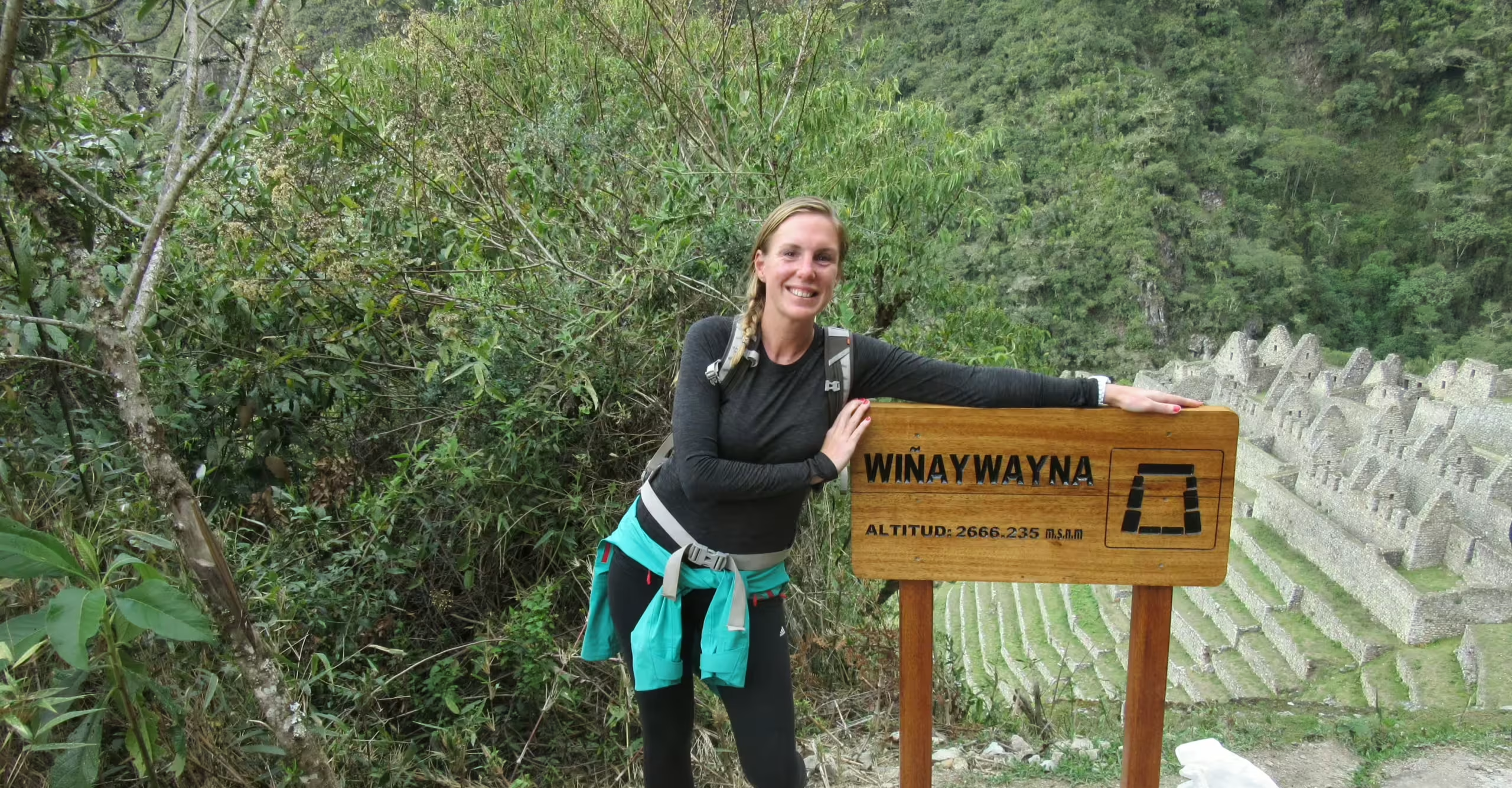
The Inca Trail is one of the most beautiful trekking routes in the world, but it’s physically demanding. During the four-day trek, you reach a maximum altitude of 4,200 meters (13,780 ft) at Dead Woman’s Pass (Warmiwañusca)—the highest point on the Trail. At this altitude, oxygen levels are nearly 40% lower than at sea level, so it’s normal for hikers to experience mild altitude sickness symptoms. Most symptoms disappear once you descend toward lower areas, like Machu Picchu.
Extra Tip: Many travelers choose to spend a night in the Sacred Valley (Urubamba, Pisac, Yucay, or Ollantaytambo) before starting the Trail. The altitude here is lower than Cusco (~2,800 m), giving your body a head start in adjusting.
Fun Facts About Machu Picchu
- The Incas strategically chose Machu Picchu’s altitude for spiritual, astronomical, and defensive reasons.
- During the solstice, sunlight shines perfectly through the windows of the Temple of the Sun.
- Over 300 species of orchids grow around Machu Picchu.
- Despite its elevation, the climate is mild, with daytime temperatures ranging from 12°C to 25°C (54–77°F).