How Fit Do You Need to Be for the Inca Trail to Machu Picchu?
Are you dreaming of a multi-day Trail to Machu Picchu, but wondering how difficult the Inca Trail really is? You’re not alone. Many travelers question whether their fitness level is good enough for a high-altitude hike in Peru.
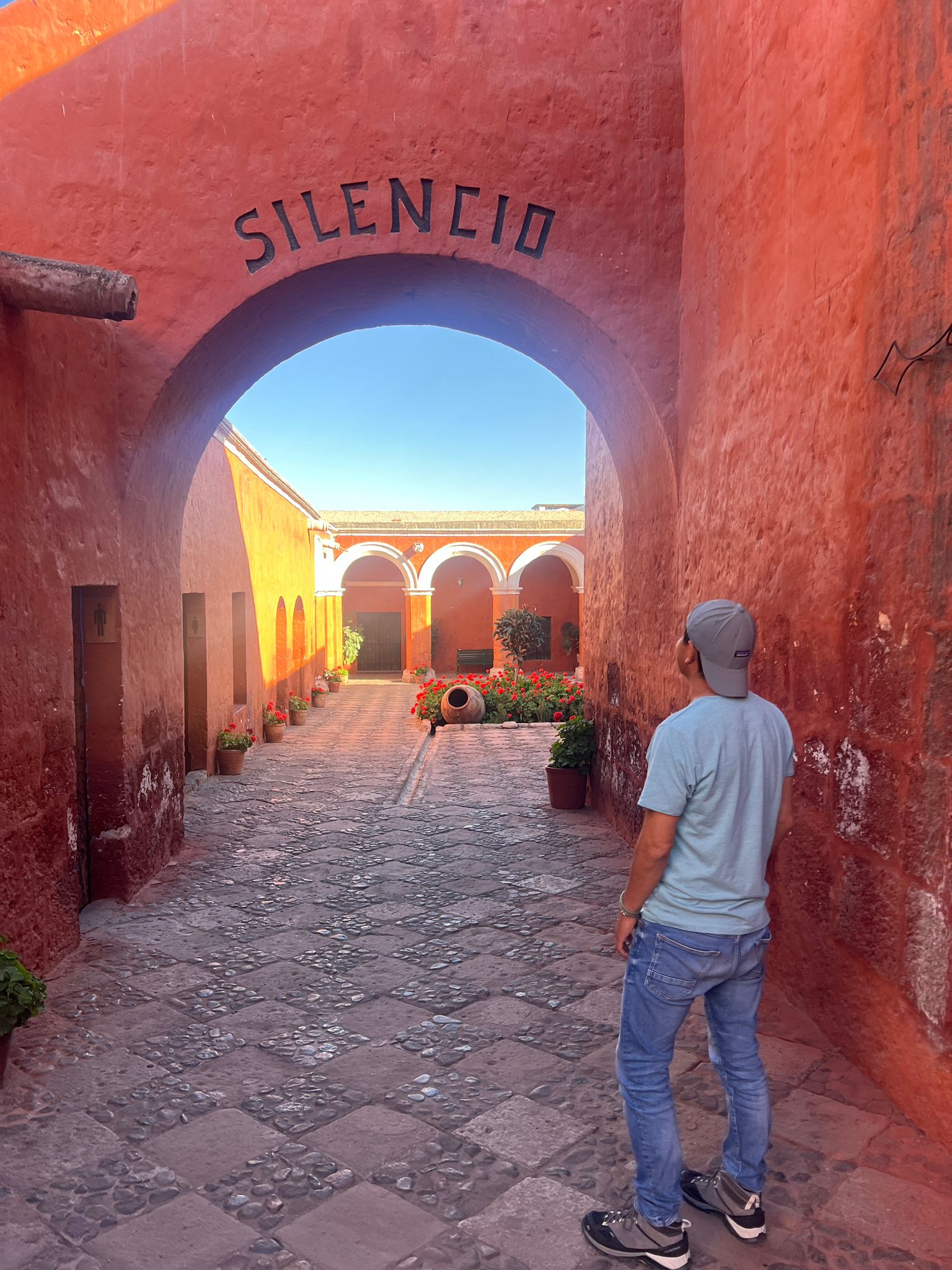
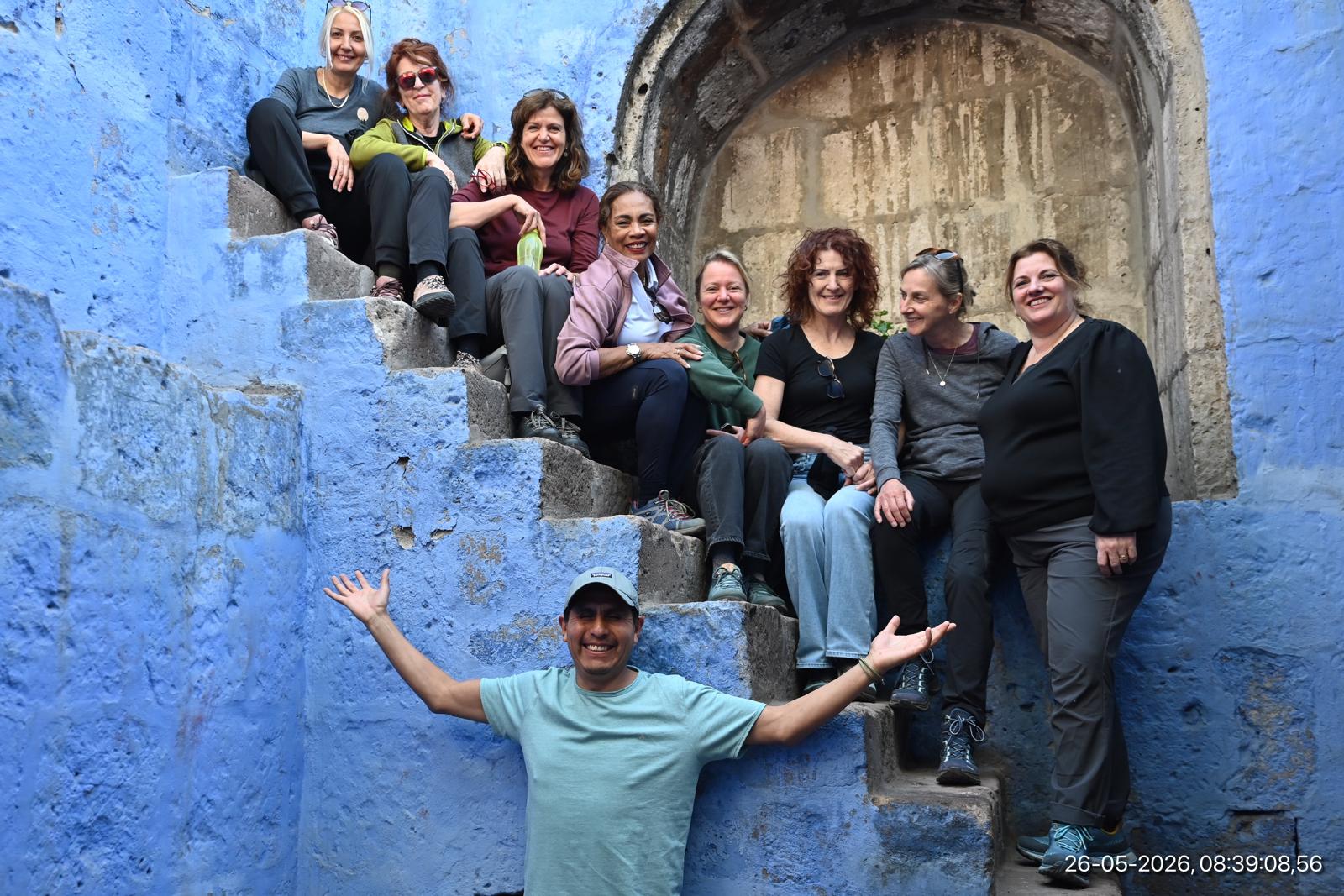
At the moment, Jorge is traveling through Peru with a group of 10 colleagues from Radboud University Medical Center in Nijmegen, the Netherlands. Their journey takes them from Lima to Arequipa before continuing to Cusco, where they will hike the 2-Day Inca Trail.
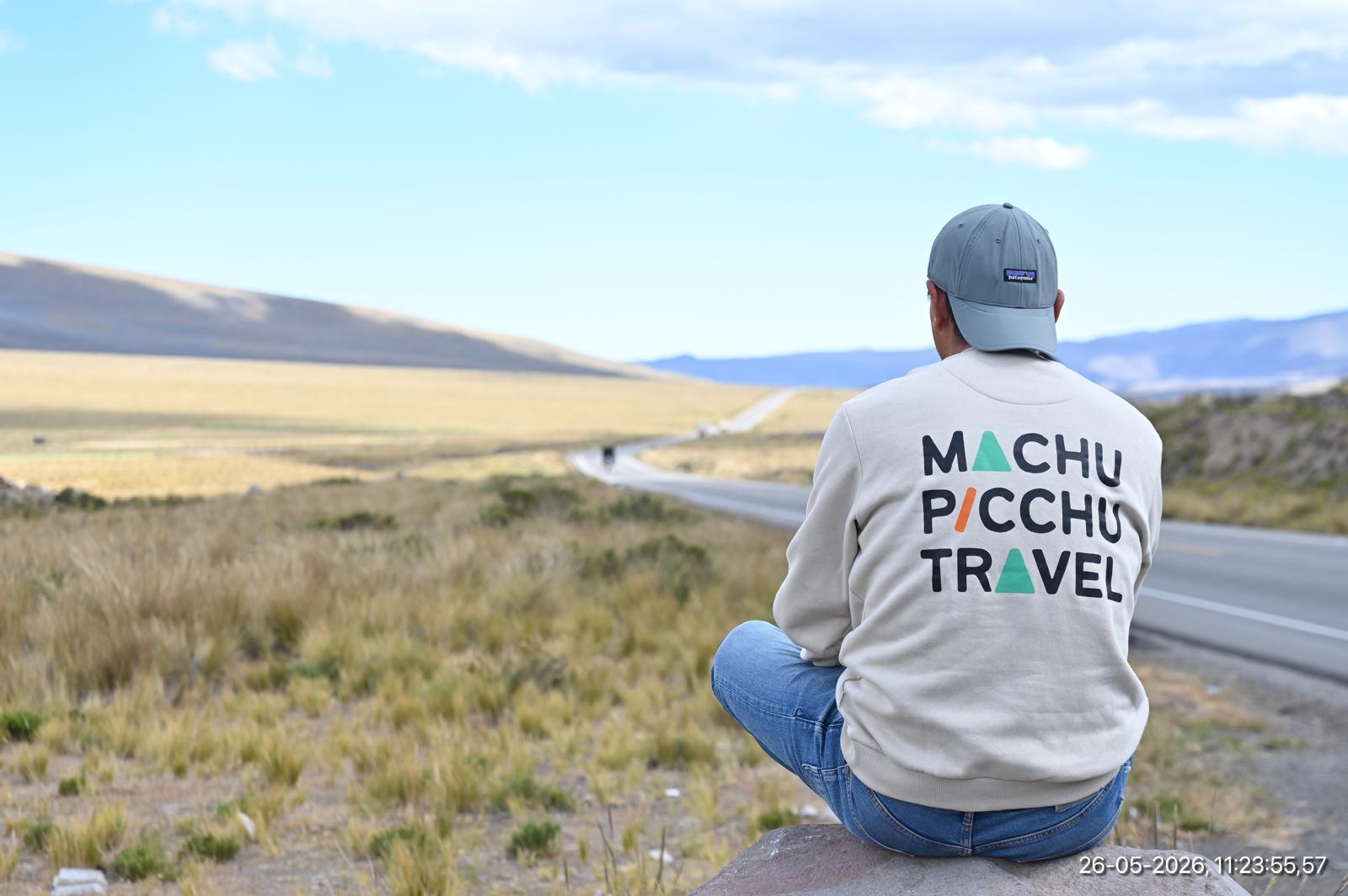
While staying in Arequipa, they visited the Colca Canyon, crossing mountain passes of nearly 5,000 meters (16,400 feet) along the way. Naturally, this required some preparation beforehand — and that’s exactly what we’d like to share with you.
In this blog, you’ll discover how fit you need to be for the Inca Trail to Machu Picchu and learn practical tips on how to stay fit and healthy during your trip through Peru.
How Difficult Is the Inca Trail Really?
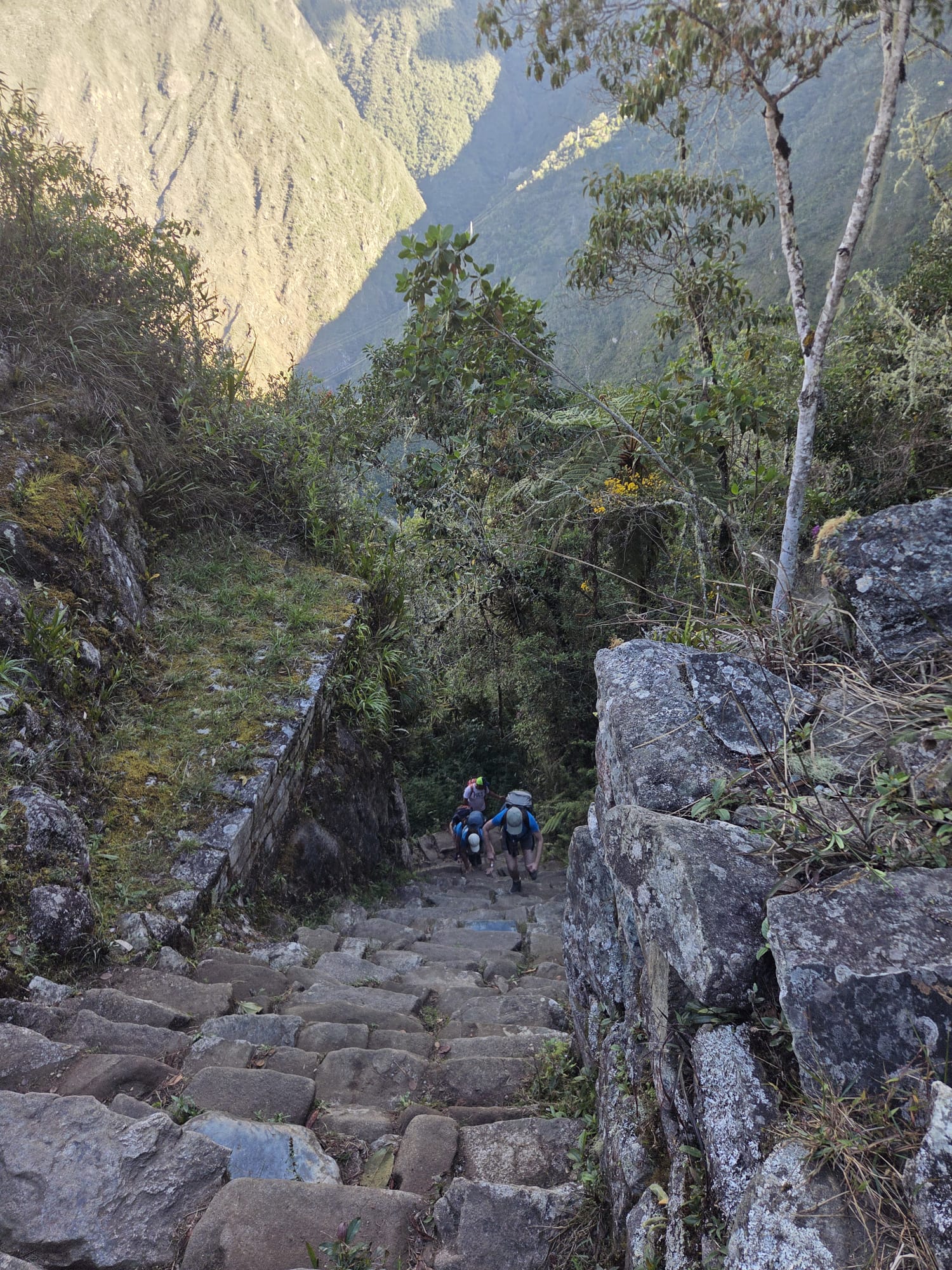
The Classic Inca Trail is considered one of the most beautiful multi-day hikes in the world. However, don’t underestimate it: the trek is physically more demanding than many travelers expect.
During the Trail, you’ll typically:
- Hike 5 to 8 hours per day
- Walk on steep mountain paths and ancient Inca stone steps
- Reach altitudes between 2,500 and 4,215 meters (8,200–13,830 feet)
- Experience significant temperature differences between day and night
The combination of altitude, long hiking days, and reduced oxygen levels is what makes the trek challenging. That said, you certainly don’t need to be an elite athlete to reach Machu Picchu on foot.
What Fitness Level Do You Need for the Inca Trail?
The most important question isn’t whether you’re extremely fit, but whether you have a good basic level of fitness.
You’ll usually be well-prepared if you can:
- Walk 15 to 20 kilometers (9–12 miles) without difficulty
- Exercise regularly or maintain an active lifestyle
- Climb hills or stairs without becoming completely exhausted
- Stay active for several hours at a time
Most people who successfully complete the Inca Trail are not experienced mountaineers. They are simply active travelers with a reasonable level of fitness and a bit of determination.
Walking at a steady pace is far more important than speed. The good news is that you can always hike at your own pace. After all, the group moves only as fast as the slowest hiker — and that’s perfectly okay!

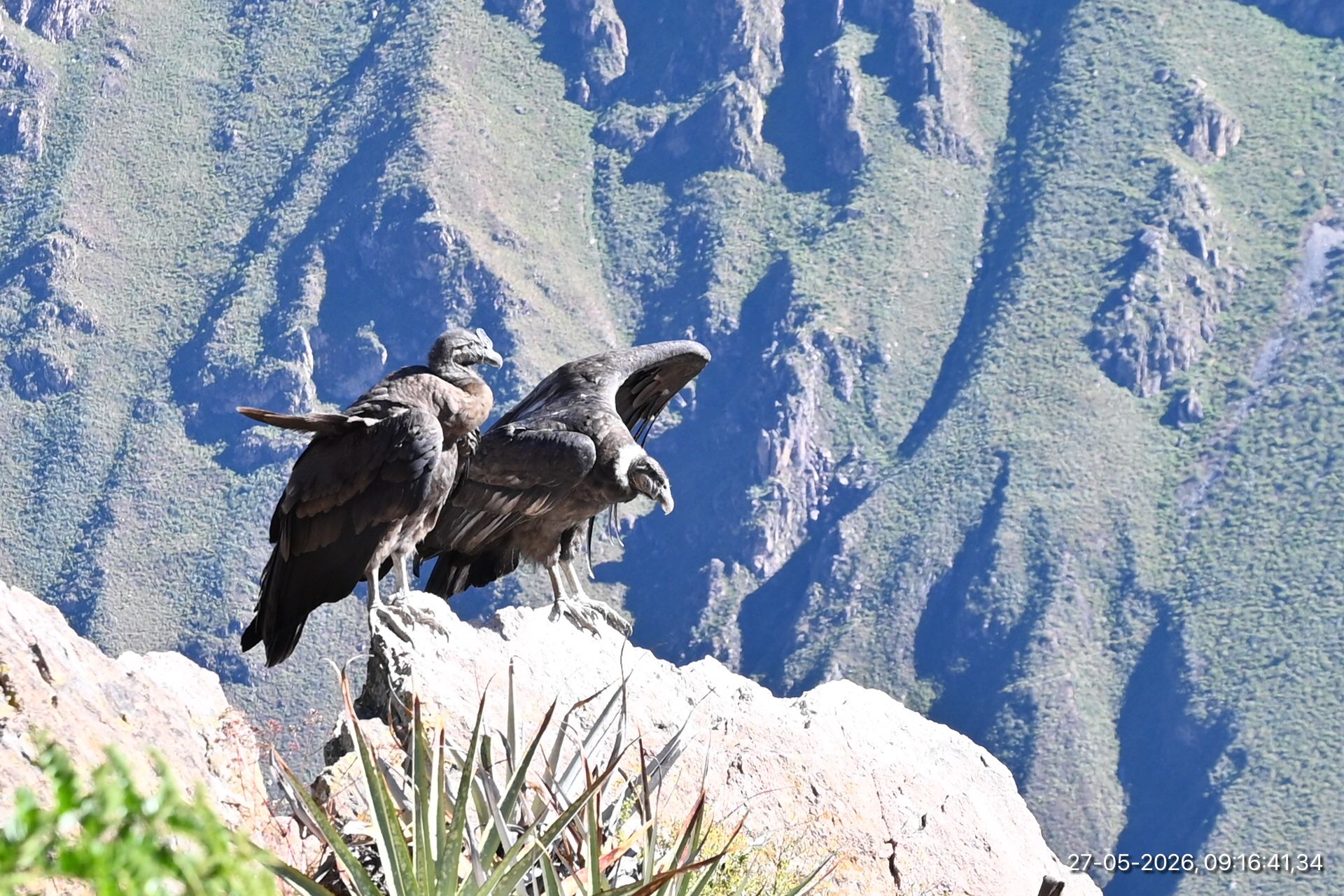
Why Altitude Is a Bigger Challenge Than Distance
Many hikers underestimate the effects of altitude in Peru. Jorge and his group are traveling from Arequipa to Cusco before starting their Inca Trail adventure. Since Arequipa is already located at an altitude of approximately 2,400 meters (7,900 feet), your body can gradually begin adapting to the thinner air.
If you decide to visit the Colca Canyon, you’ll even cross mountain passes approaching 5,000 meters (16,400 feet) by bus. That’s why it’s important to take it easy in Arequipa and allow your body to rest before embarking on one of the Colca Canyon Tours.
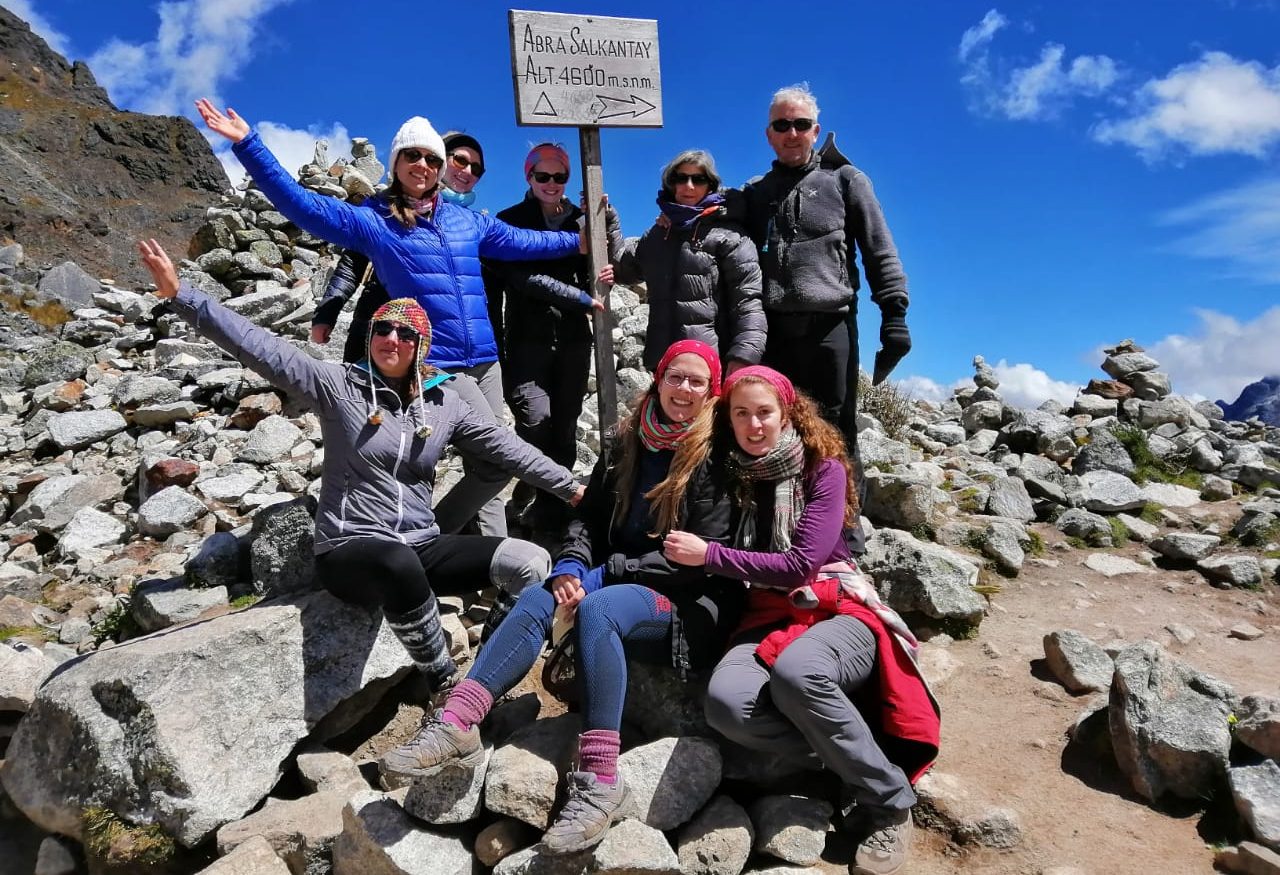
The Classic 4-Day Inca Trail reaches an altitude of around 4,215 meters (13,830 feet) at Dead Woman’s Pass. At that elevation, the air contains significantly less oxygen, which can cause fatigue and increase the risk of altitude sickness.
Even very fit people can experience symptoms such as:
- Headaches
- Nausea or an upset stomach
- Dizziness or light-headedness
- Shortness of breath
For this reason, we recommend spending at least 2 to 3 days acclimatizing in Cusco before starting your Trail. If you’re visiting the Colca Canyon beforehand, it’s wise to build in some extra rest there as well.
The good news? Both Arequipa and Cusco are wonderful cities where it’s easy to slow down, explore at a relaxed pace, and enjoy the local atmosphere while your body adjusts to the altitude.
The Combination of Altitude, Fatigue, and Different Food
Peruvian food is absolutely delicious. In fact, Peru is widely regarded as having one of the most diverse and celebrated cuisines in the world, consistently ranking among the world’s top culinary destinations.
Naturally, you won’t want to leave Peru without trying as many local dishes as possible. However, it’s important to be mindful of where you eat.
Street food stalls and local markets often look tempting, but they may contain bacteria that your body is not accustomed to. This can lead to stomach or intestinal issues.
Many travelers experience digestive problems during their trip through Peru due to the combination of unfamiliar food, high altitude, busy travel schedules, and physical activity. Don’t underestimate the impact that altitude, fatigue, and dietary changes can have on your body.
If you do develop a bacterial infection or suffer from severe altitude-related symptoms, it is important to descend to a lower altitude and seek medical advice. In some cases, the symptoms of altitude sickness and digestive infections can be difficult to distinguish.
If a bacterial infection is diagnosed, antibiotics may be necessary. Make sure to follow your doctor’s instructions carefully and complete the full prescribed course of treatment to prevent the infection from returning later in your trip.
Tips to Reduce the Risk of Altitude Sickness, Fatigue, and Stomach Problems
- Drink plenty of water throughout the day.
- Avoid alcohol during your first few days at altitude.
- Take it easy while exploring Arequipa and Cusco.
- Get enough sleep and allow yourself time to rest during the day.
- Be cautious with food from street markets and roadside vendors.
- Avoid drinks with ice cubes and opt for sealed bottled water whenever possible.
A little extra care during the first days of your trip can make a huge difference and help you fully enjoy everything Peru has to offer.