Inca Trail vs. Salkantay Trail: the complete comparison
If you dream of trekking to Machu Picchu, you’ll almost always come across two of the most famous routes: the four-day Inca Trail and the Salkantay Trail. While both include a visit to Machu Picchu, they offer completely different experiences in terms of nature, culture, comfort, and atmosphere. In this comprehensive guide, we’ll take you through all the key differences so you know exactly which trail fits your preferences and expectations.
1. Tickets, Access & Availability
Comparison:
- Inca Trail: Strictly limited tickets, sold out months in advance.
- Salkantay Trail: No tickets required (except for Machu Picchu entry), ideal for spontaneous planners.
Inca Trail
The Inca Trail is heavily regulated by the Peruvian government. Only 500 people are allowed on the route per day, including guides and porters. This means only a limited number of travelers can secure tickets, which often sell out months in advance, especially during high season (May–September). Early booking is essential. This exclusivity makes the Inca Trail special, but less flexible.
Salkantay Trail
The Salkantay Trail, on the other hand, does not have a limited number of tickets; you only need official registration through a Tour provider. We guarantee departures for groups from just 2 people, making it ideal for travelers who don’t want to plan months ahead or decide last minute to head into the mountains. It offers more freedom and spontaneity, without worrying about restricted access.
Note: Our Salkantay Trail Tours include a Machu Picchu guided visit, though Machu Picchu tickets are still limited since 2024. You’ll need to purchase your Machu Picchu entry ticket well in advance.
2. Scenery & Difficulty
Comparison:
- Inca Trail: Archaeological sites, jungle paths, moderate difficulty.
- Salkantay Trail: Glaciers, mountain passes, physically more challenging.
Inca Trail
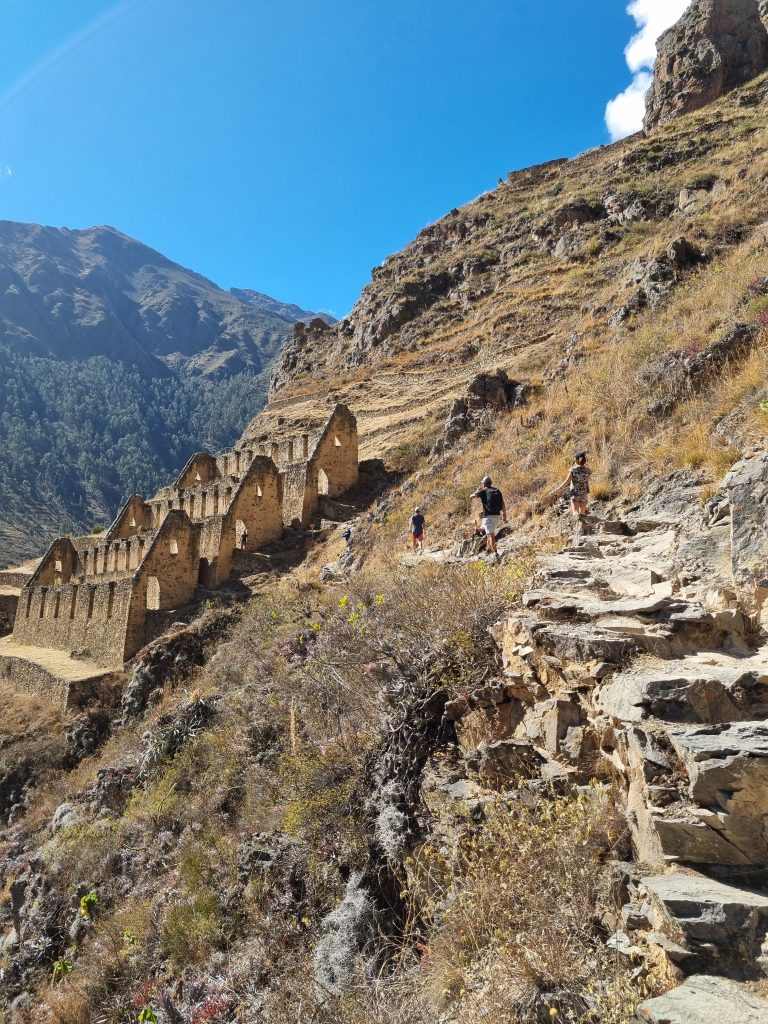
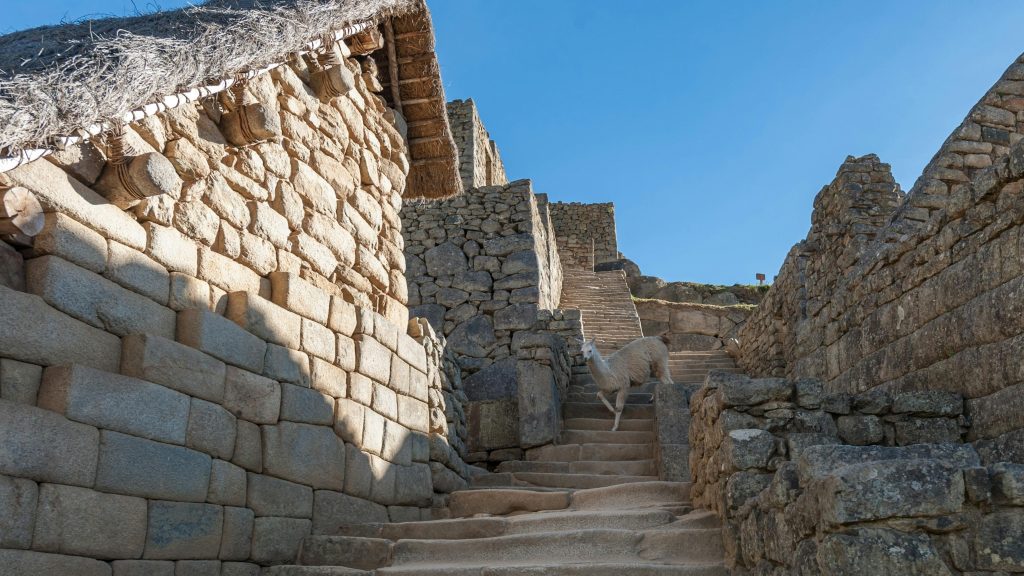
Walking the Inca Trail literally follows in the footsteps of the Incas. The route winds through mysterious jungle paths, cloud forests, and original Inca stone paths. Along the way, you encounter various archaeological sites that offer a unique glimpse into Inca history. While there are many steps and steep sections, the overall difficulty is manageable for people with a basic level of fitness.
Salkantay Trail
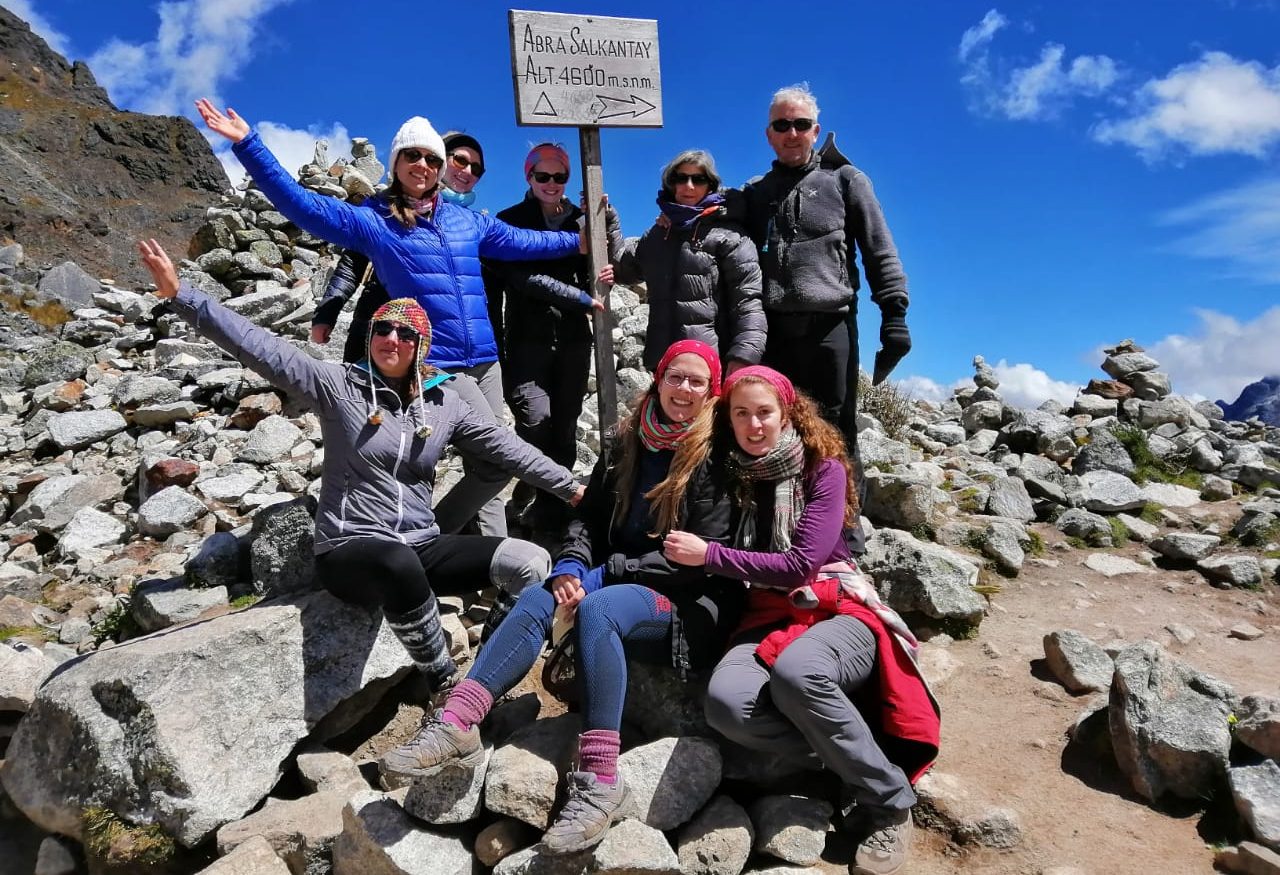
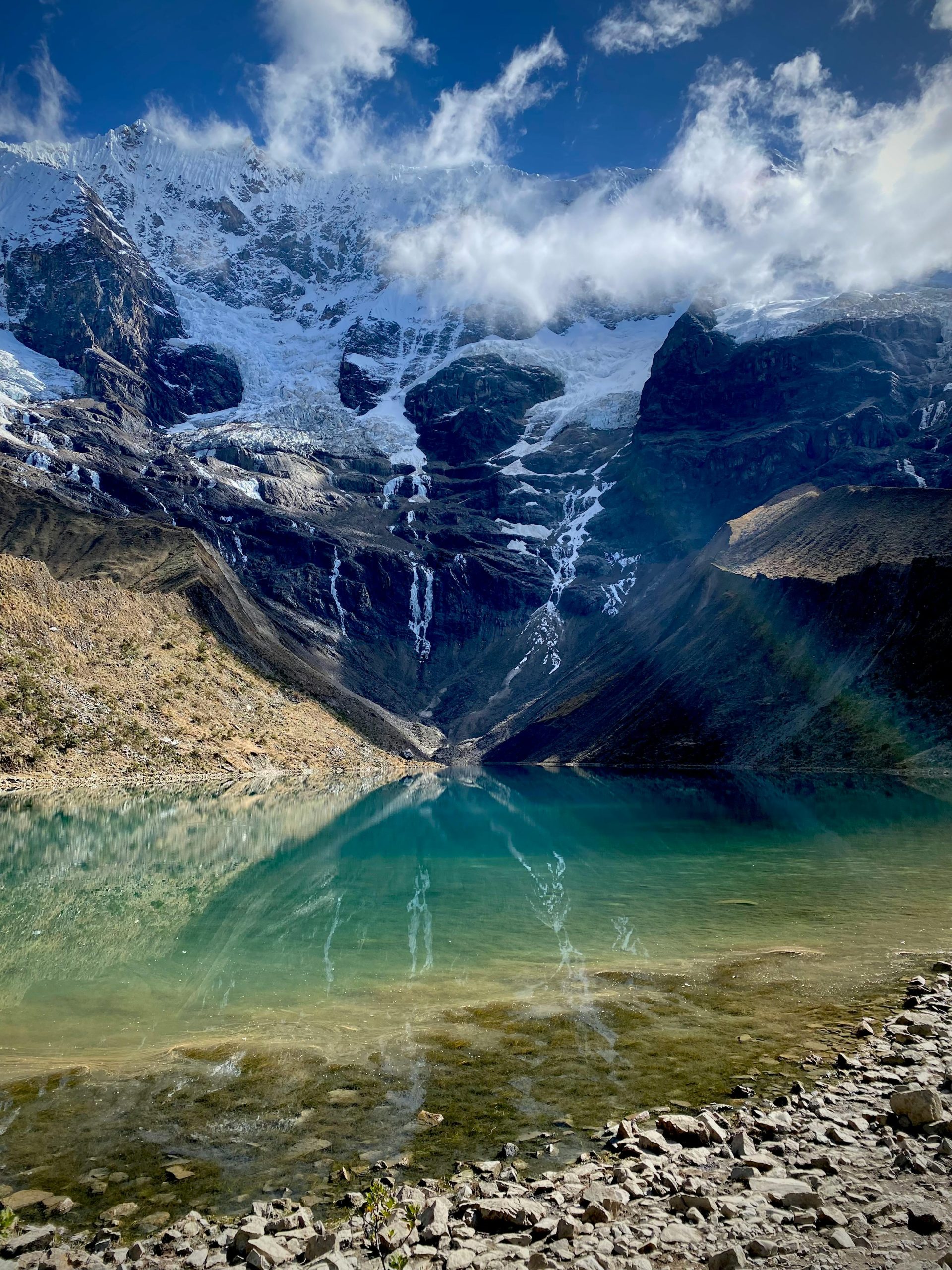
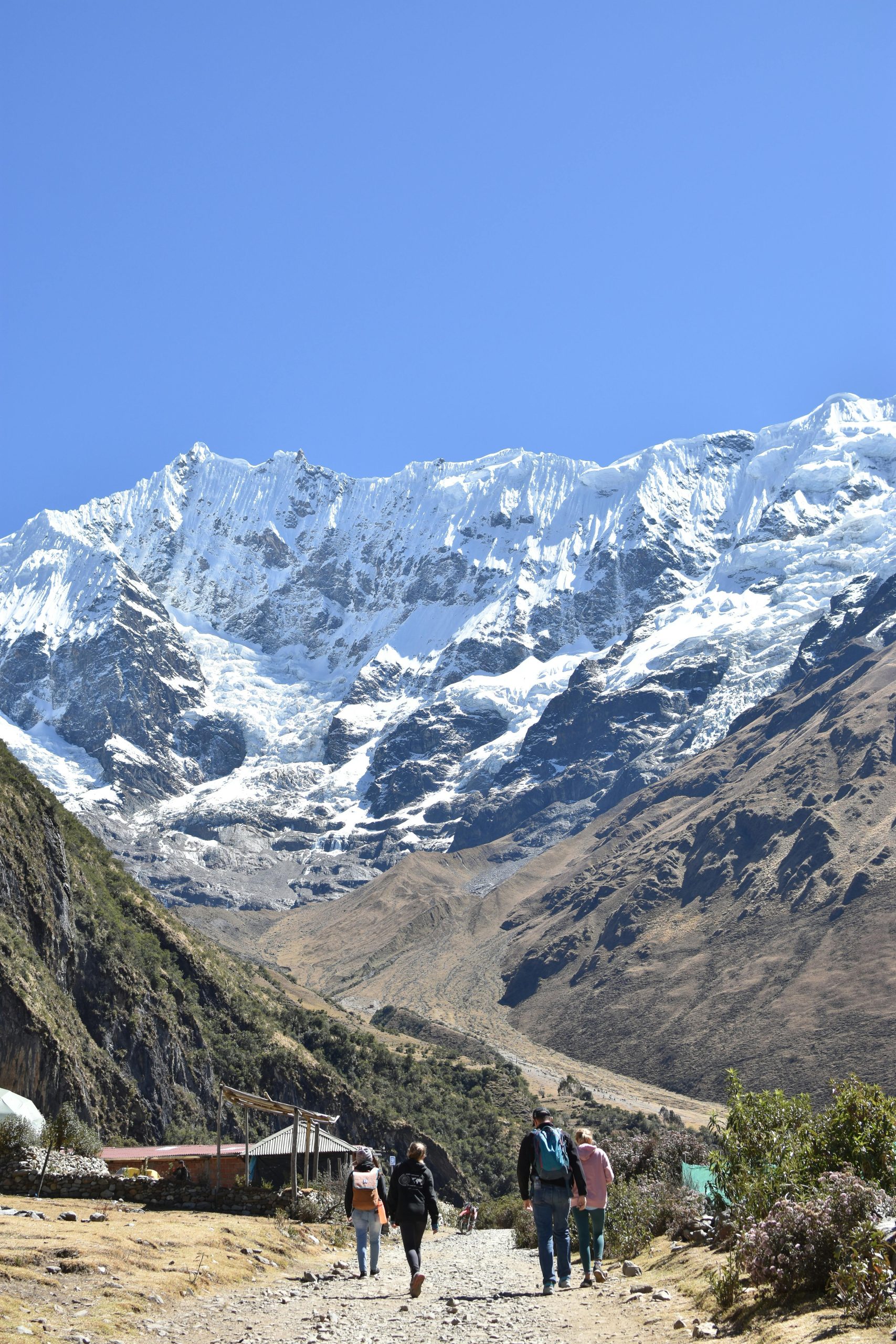
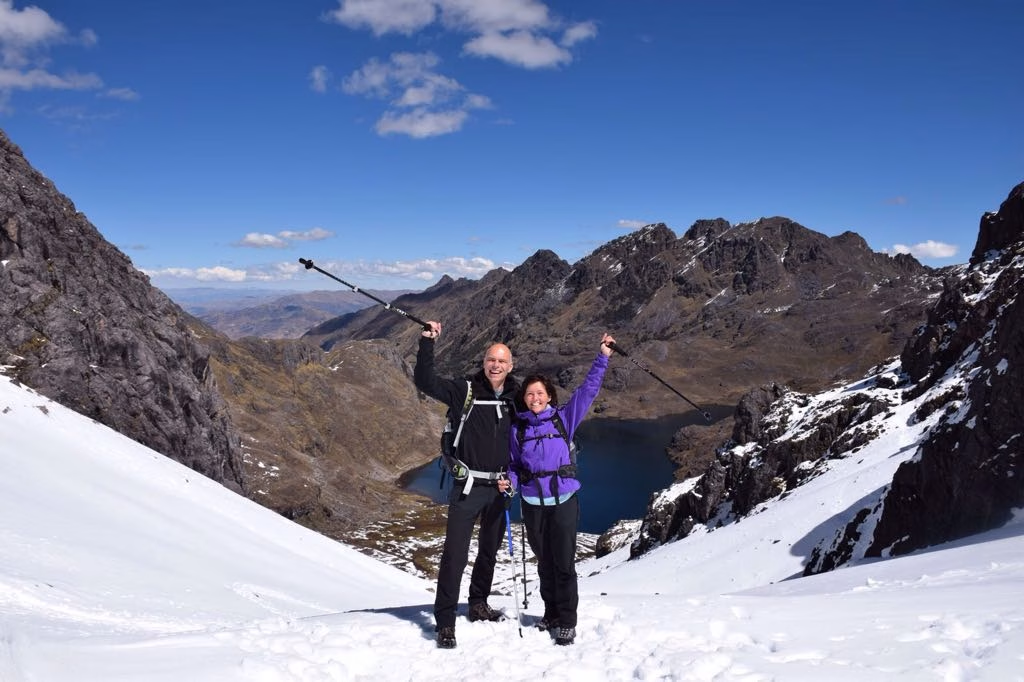
The Salkantay Trail is known as one of the most stunning alternative routes to Machu Picchu. The landscape is spectacular: snow-capped peaks, glaciers, turquoise lakes, and lush valleys. The route reaches higher altitudes than the Inca Trail, with the toughest point at the Salkantay Pass at about 4,630 meters. This makes the trek physically challenging, especially for those not used to high-altitude hiking. The reward, however, is incredible: breathtaking nature and unforgettable panoramic views.
3. Crowds on the Trails
Comparison:
- Inca Trail: More exclusive, fixed hiking groups.
- Salkantay Trail: Varying crowd sizes, often multiple large groups.
Inca Trail
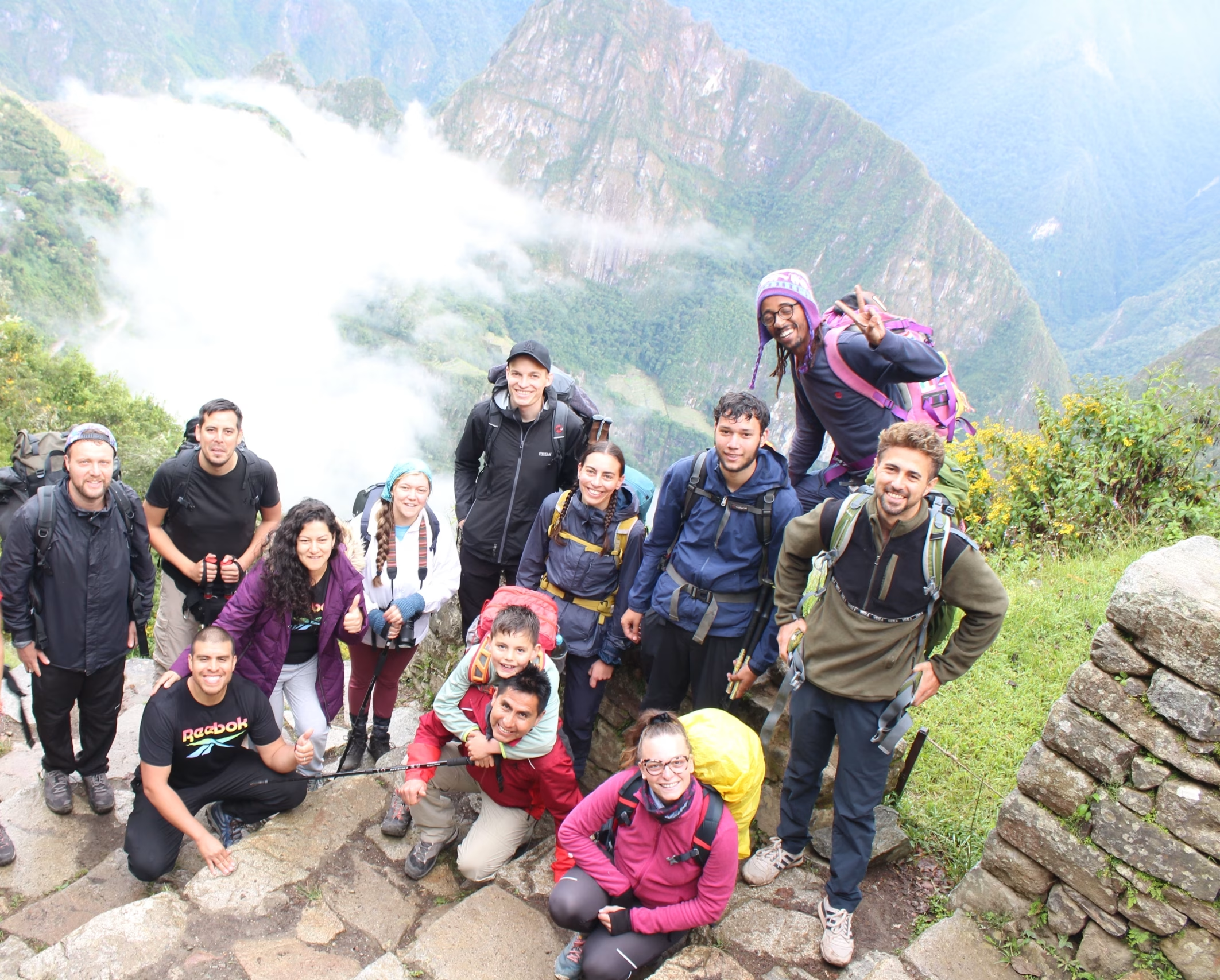
Because the Inca Trail is highly regulated, you encounter relatively few other hikers on the path. Groups usually share the same campsites, which creates a friendly atmosphere. You see familiar faces at the camps, forming a close-knit community along the way.
Salkantay Trail
Crowds on the Salkantay Trail vary widely. Some sections, like Soraypampa, can be busier, while others feel almost deserted. The freedom of the Trail means you’ll often encounter multiple groups. This makes the experience more dynamic, but sometimes a bit busier. As the most popular alternative to the Inca Trail, the Salkantay Trail has no limits on numbers and has grown increasingly crowded over the years.
4. Accommodation & Comfort
Comparison:
- Inca Trail: Tents, classic camping.
- Salkantay Trail: Lodges and luxury sky domes.
Inca Trail
You always camp in tents, with porters carrying most of the gear. This keeps your backpack light and allows you to enjoy the Trail. Comfort is surprisingly good thanks to well-organized logistics and experienced teams.
Salkantay Trail
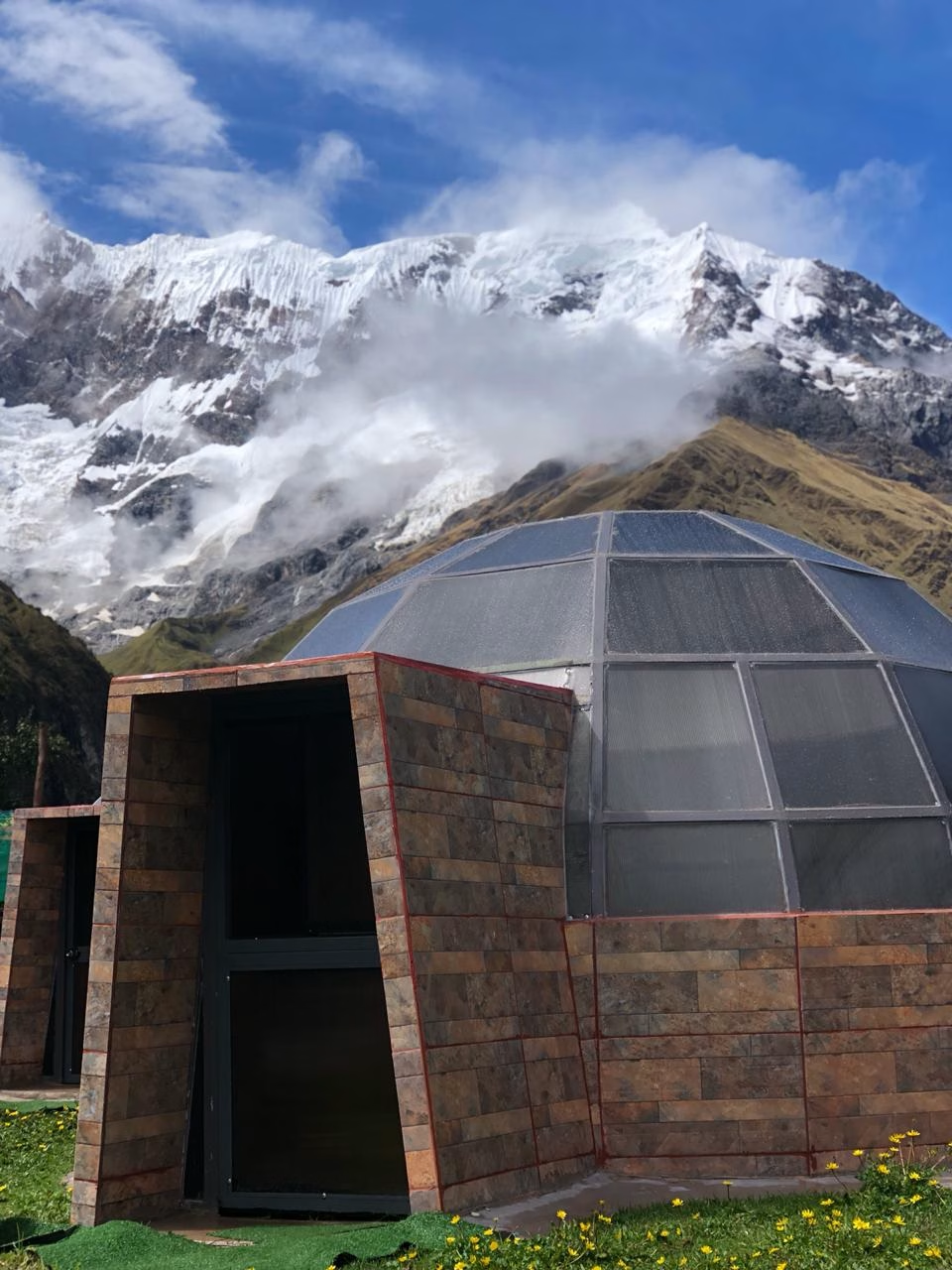
Accommodation is more varied, including charming mountain lodges and luxury “sky domes” with glass ceilings for stargazing at night.
5. Historical & Cultural Value
Comparison:
- Inca Trail: Rich history with multiple archaeological sites.
- Salkantay Trail: Fewer ruins, more focused on nature.
Inca Trail
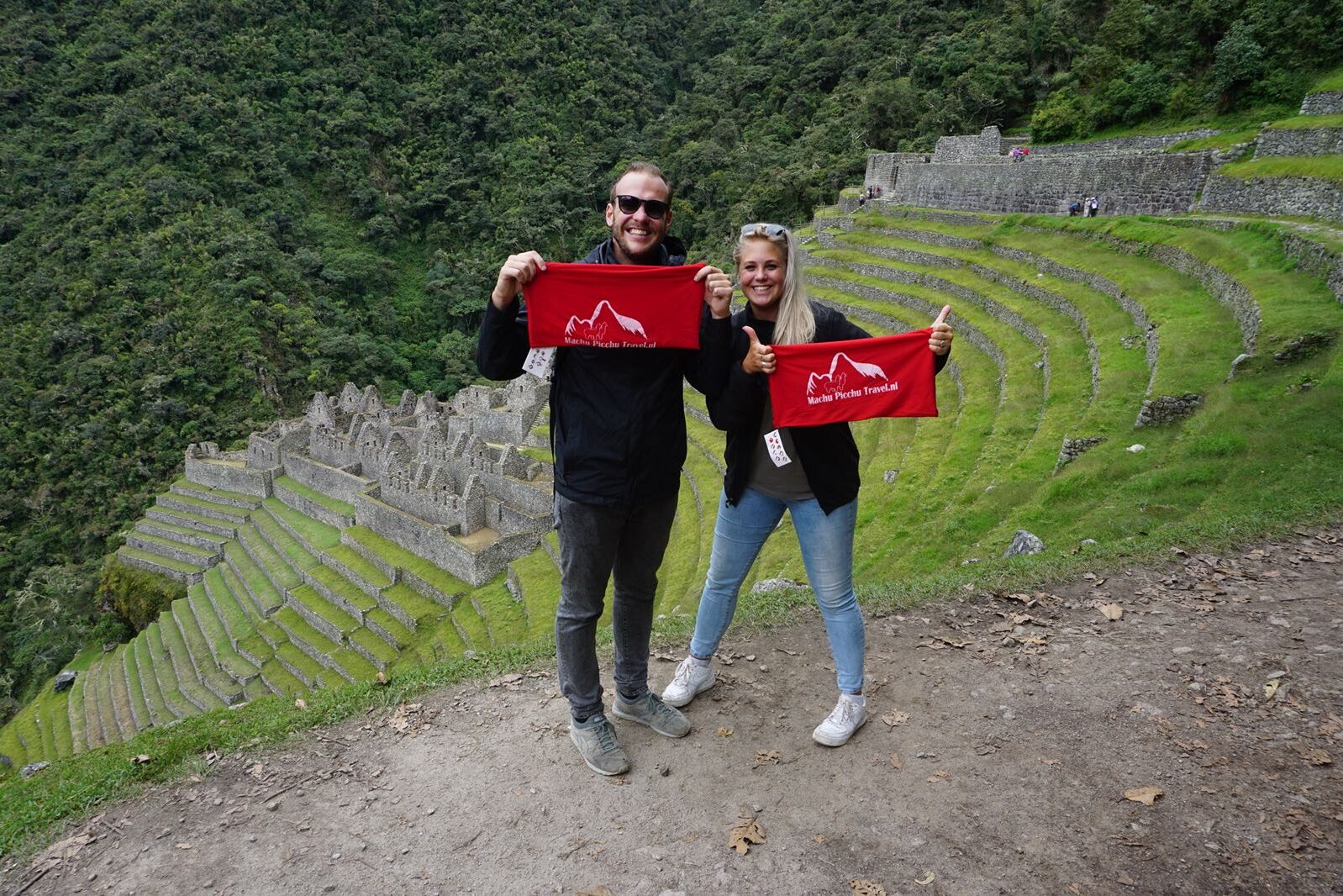
Perfect for history enthusiasts, passing sites like Runkurakay, Sayacmarca, Phuyupatamarca, and Wiñay Wayna. The combination of culture and nature makes this Trail unique.
Salkantay Trail
Focuses more on natural beauty than archaeology. Small ruins exist, but the main draw is mountain scenery, rivers, and valleys. Ideal for hikers seeking outdoor adventure.
6. Arrival at Machu Picchu
Comparison:
- Inca Trail: Iconic sunrise gate arrival (Inti Punku).
- Salkantay Trail: Ends in Aguas Calientes, bus or hike up to Machu Picchu.
Inca Trail
The highlight is arriving at Machu Picchu through the Sun Gate at sunrise, offering the first panoramic view of the citadel. Many travelers describe this as a once-in-a-lifetime moment.
Salkantay Trail
The Trail ends in Aguas Calientes. From there, you take a bus or hike up to Machu Picchu. You miss the Sun Gate experience, but after an overnight in Aguas Calientes, you’re fresher for the guided Tour.
7. Prices
Comparison:
- Inca Trail: More expensive due to limited tickets and porter support.
- Salkantay Trail: More affordable with varied lodging options.
The Inca Trail is generally pricier because of limited tickets and logistics. The Salkantay Trail offers a wider range of prices and comfort levels, making it accessible for different budgets.
Which Trek Is Right for You?
Choose the Inca Trail if you…
- Love history and culture, and dream of a magical sunrise at the Sun Gate.
- Don’t mind planning months in advance.
- Prefer a trek with multiple archaeological highlights.
Choose the Salkantay Trail if you…
- Want a more rugged adventure with breathtaking mountain scenery.
- Prefer flexibility in your travel schedule.
- Are looking for a more affordable alternative with varied accommodations.