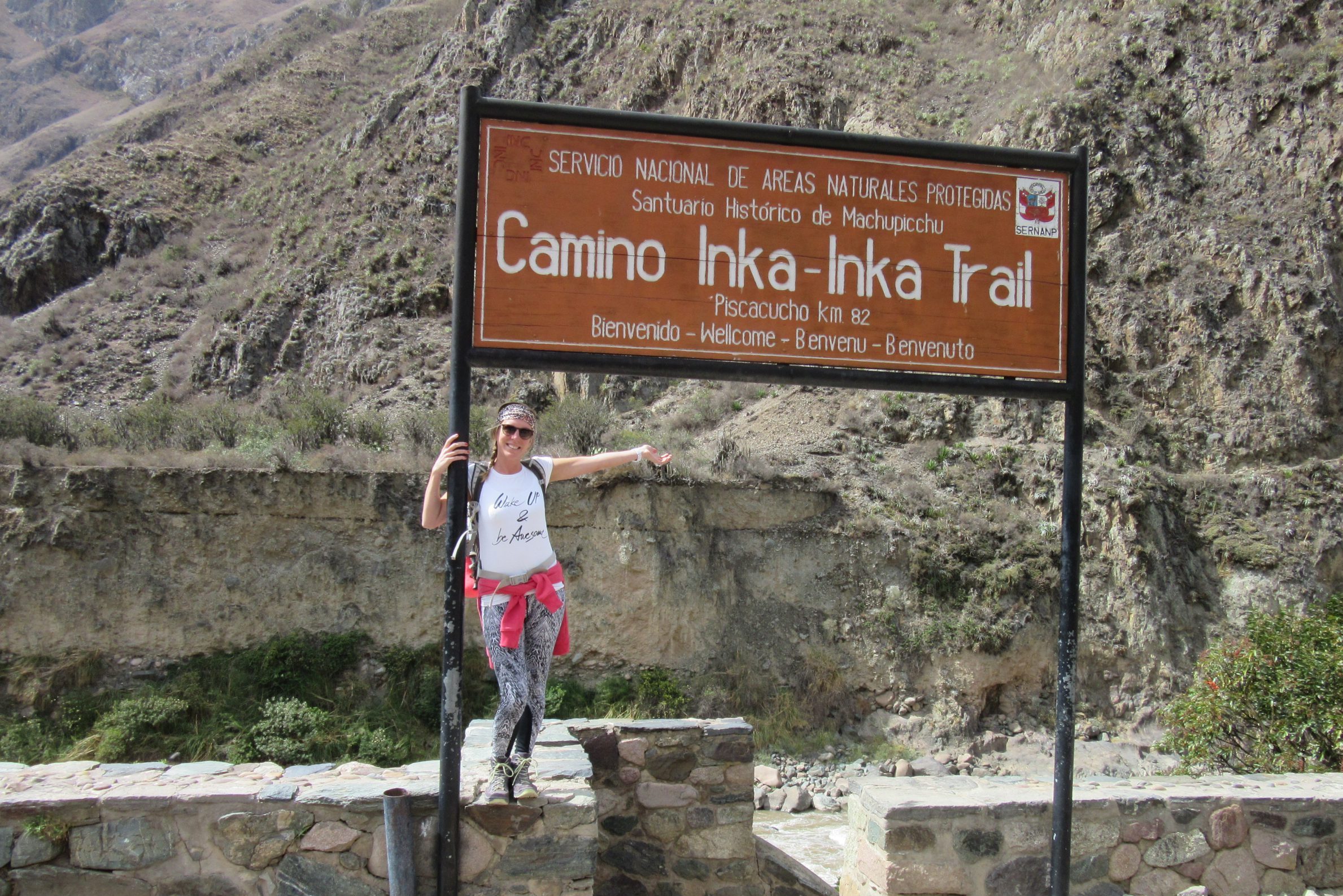
Inca Trail experiences of Fleur!
What were Fleur’s Inca Trail experiences like after four days of walking along ancient Inca paths towards Machu Picchu? Jorge interviewed her and asked the 10 questions you actually want answers to!
To start… What did you think of it?
Amazing! I thought it was a truly special and incredible experience. You walk for four days through a constantly changing landscape—over mountains, through valleys, and even into the jungle. It’s wonderful to be completely away from everything and have time to fully enjoy the stunning surroundings, with the magical destination Machu Picchu always in mind.
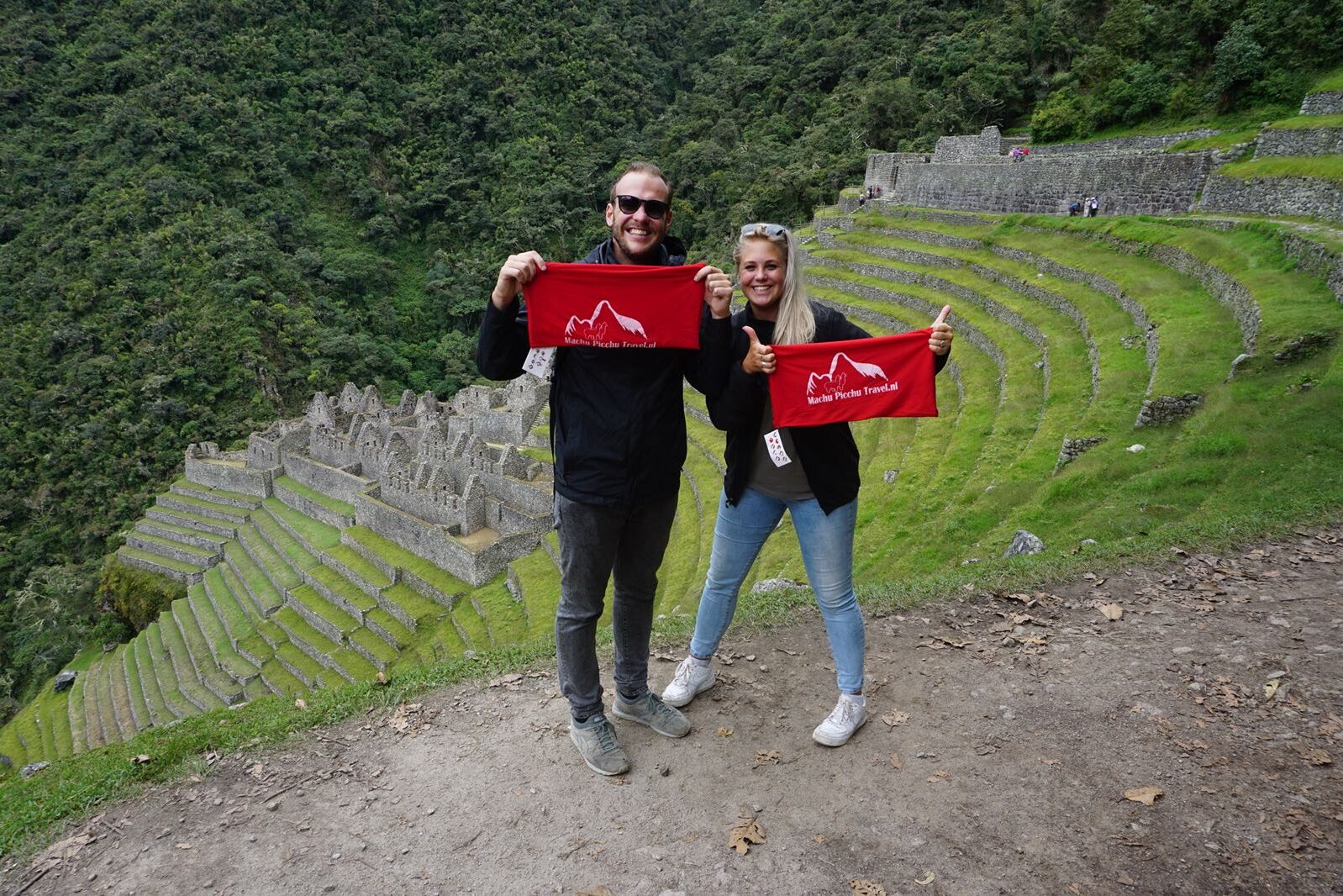
Along the way, we also came across several archaeological sites as a preview of Machu Picchu, which were absolutely worth seeing. In the end, I actually found the Inca Trail itself—the journey to Machu Picchu—just as impressive, if not more, than Machu Picchu itself.
How did you prepare for the Inca Trail?
Honestly, I didn’t prepare that much. When I booked the trek six months in advance, I did make a habit of taking the stairs to my apartment on the 6th floor at least once a day. I also work out 2–3 times a week, so I already had a decent level of fitness.
Was it tough?
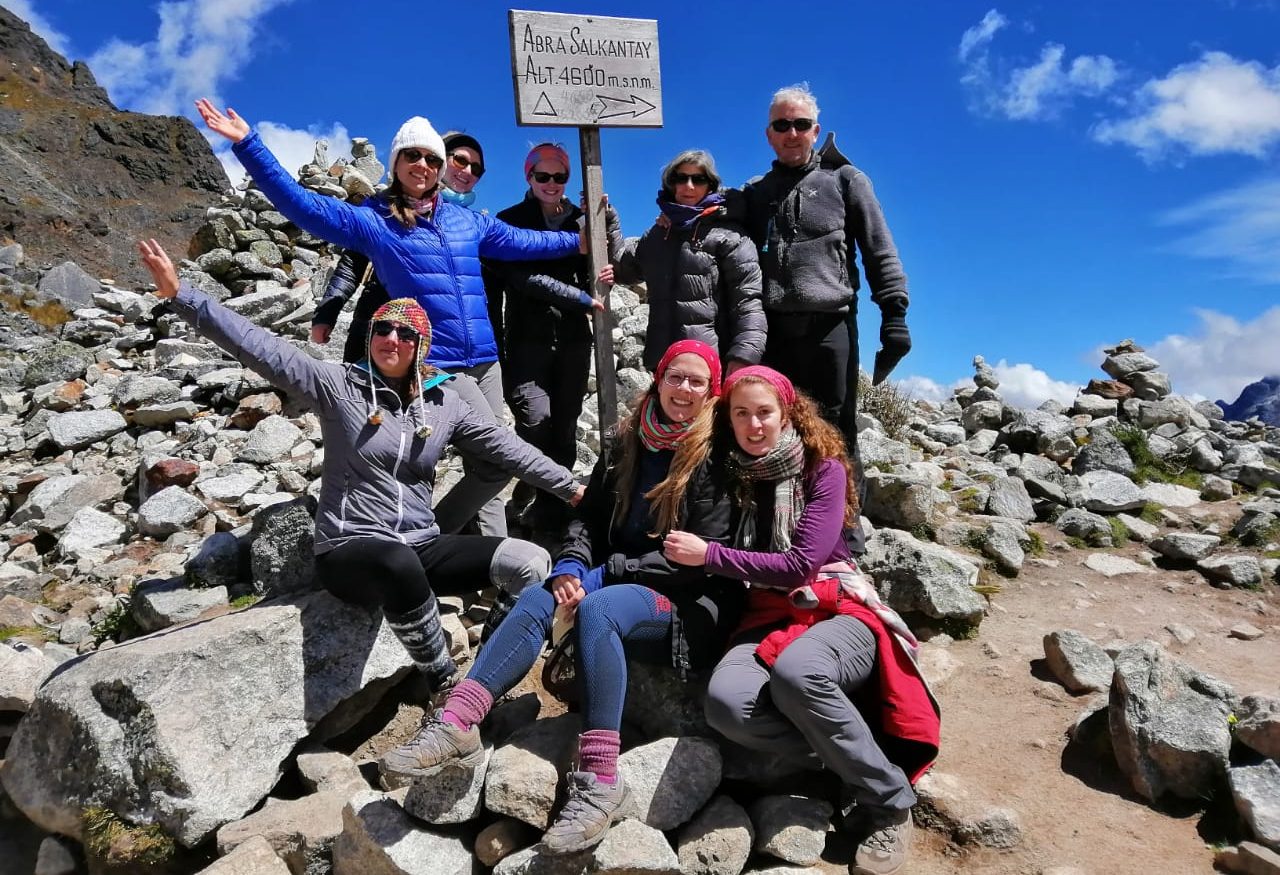
Yes, it was quite challenging—especially the second day, when we climbed a pass of 4,200 meters and another of 4,000 meters. That was definitely not for the faint-hearted! But it is absolutely doable. With an average fitness level, you should be able to complete the Inca Trail.
What matters even more is being healthy (not sick) during the trek. Unfortunately, that’s not always something you can control, but you can help yourself by acclimatising properly to the altitude. I spent two weeks beforehand at altitudes between 3,400 and 4,800 meters, so that definitely helped.
Many hikers also experience stomach issues, which can really affect your energy and enjoyment. Be especially careful with fresh juices sold in small shops and local markets.
Where did you sleep during the Inca Trail?
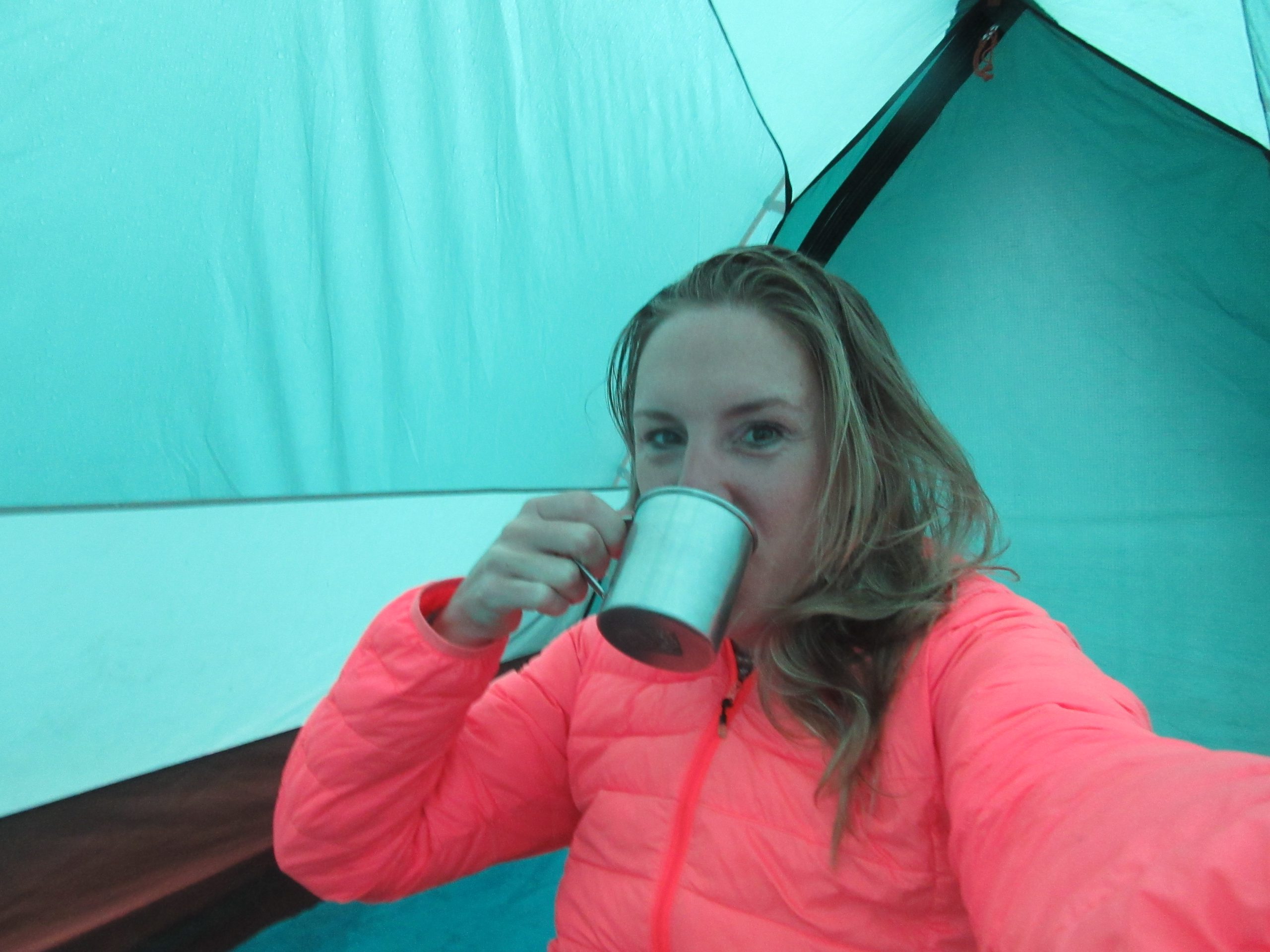
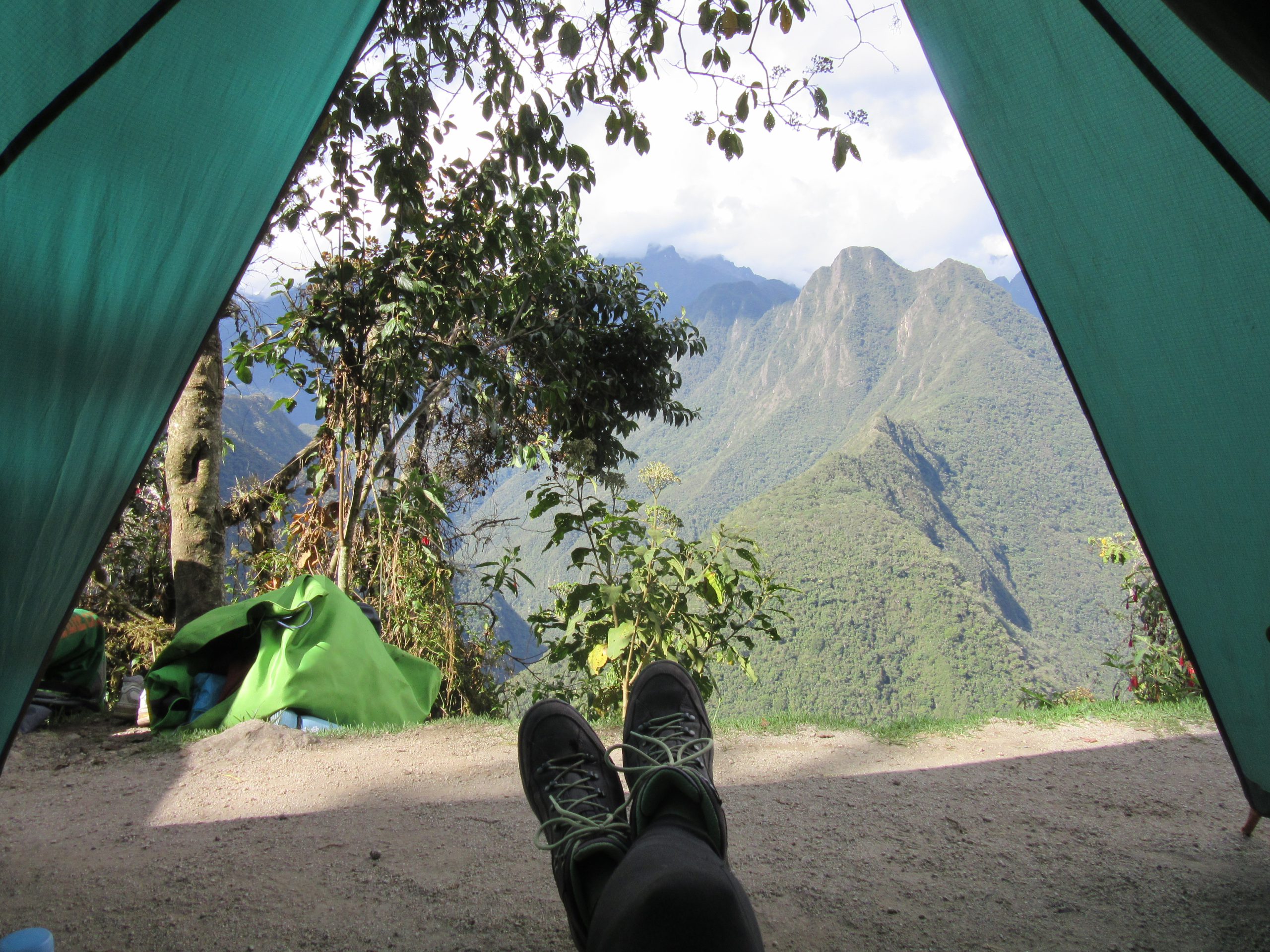
Along the route, there are designated campsites where we spent the nights. It was surprisingly comfortable: my dome tent was already set up when I arrived. Porters walk ahead to prepare everything so you can simply drop your bag and relax when you arrive—such a luxury!
You usually share your tent with one other person, but since I was travelling alone, I had a tent to myself. Inside, there was a foam sleeping mat and a pillow waiting for me. I slept really well!
How were the sanitary facilities?
Don’t expect glamping, but each campsite has basic toilet facilities. During the first two nights there were no showers, only a few squat toilets. After using them, antibacterial hand gel is definitely not a luxury.
On the last campsite there is a shower, but unfortunately only cold water.
What luggage did you bring?
The evening before departure, I received a duffel bag in which I was allowed to pack 7 kg of luggage. This bag was carried by porters (for an additional €120 for 4 days), so I didn’t need any of those items during the day.
I packed clothing and an extra sleeping mat for more comfort. I also included my slippers, which were a true relief after hiking all day in my Inca Trail hiking boots.
Did you carry everything yourself?
No, luckily not—but that was because I hired an extra porter. Otherwise, you would still carry your own sleeping mat.
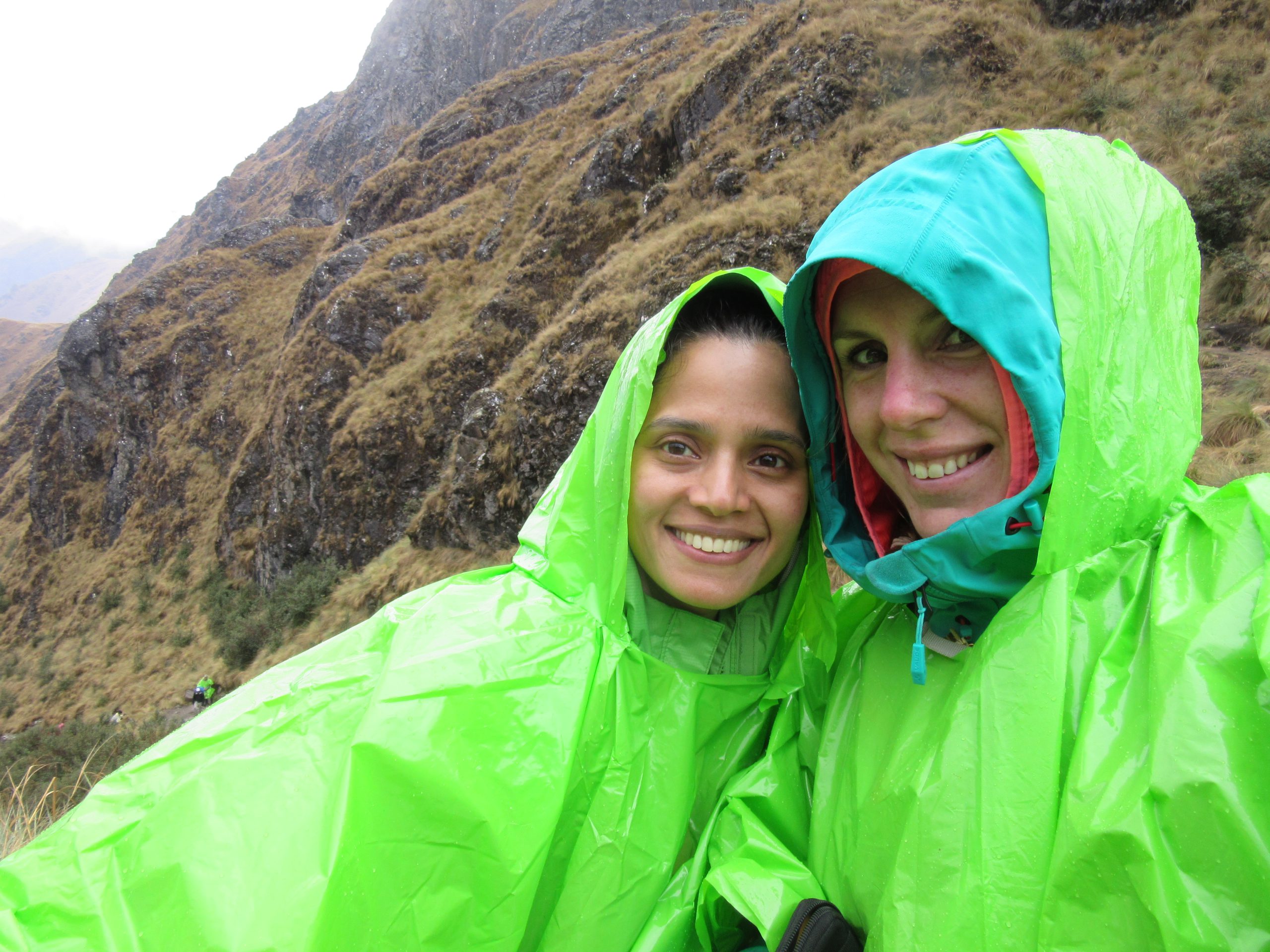
I only carried a lightweight daypack with everything I needed during the day, such as water, sunscreen, sunglasses, a plastic poncho, passport, DEET, camera, etc. I also carried my sleeping bag, but fortunately it was a lightweight one.
What clothing would you recommend bringing?
I brought two long running leggings with me. They are comfortable and weigh almost nothing. On top, I mostly wore layers: usually a short-sleeved shirt, a fleece, a thin down jacket, and a waterproof jacket. Temperatures varied a lot, so I regularly stopped to add or remove layers. I also brought shorts, but I never used them—still, it’s useful to pack a pair just in case.
Was food and drink provided?
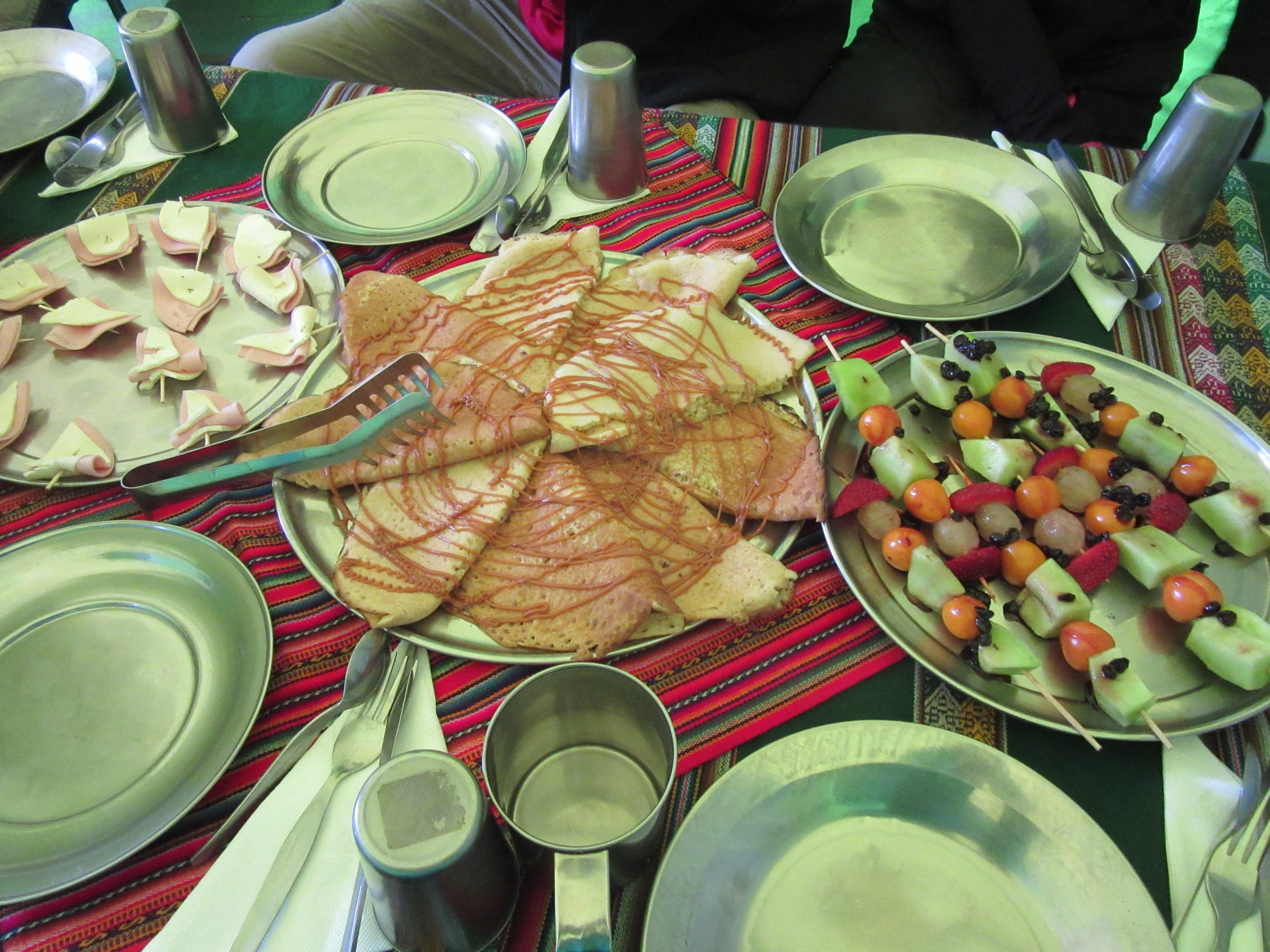
Culinarily, you will not be short of anything on the trail! I often wondered how they managed to create such delicious meals with so few resources.
I was woken up in the morning with “room service”: a warm cup of coca tea in my tent. At breakfast, I could choose from options like pancakes, omelettes, and fresh fruit. Lunch and dinner always included soup, followed by varied main dishes such as rice, quinoa, or pasta with different types of meat and vegetables. To complete the all-inclusive experience, there was “happy hour” every day, where we drank tea together and enjoyed cookies and popcorn. You can also refill your water bottles every morning and afternoon, so you never have to worry about staying hydrated.
Any additional tips?
Make sure to bring enough cash (around 400 Peruvian soles). If, halfway through the Inca Trail, you are unable to continue, there is only one way back. From the starting point, you would need to continue by taxi, and if you still want to visit Machu Picchu (since your entrance ticket is already paid), you would also need to take the train.
Of course, this is a worst-case scenario, but even if you complete the trek, cash is useful. For example, to tip the porters, cook, and guides at the end of the trail. On average, a porter receives about 60 soles (± €15), and the cook around 150 soles (± €40) per group, which comes to roughly 100 soles per person. The tip for the guide is entirely up to you.
And if you still have some money left after the trek, treat yourself to a well-deserved Pisco Sour in one of the cozy restaurants in Aguas Calientes!